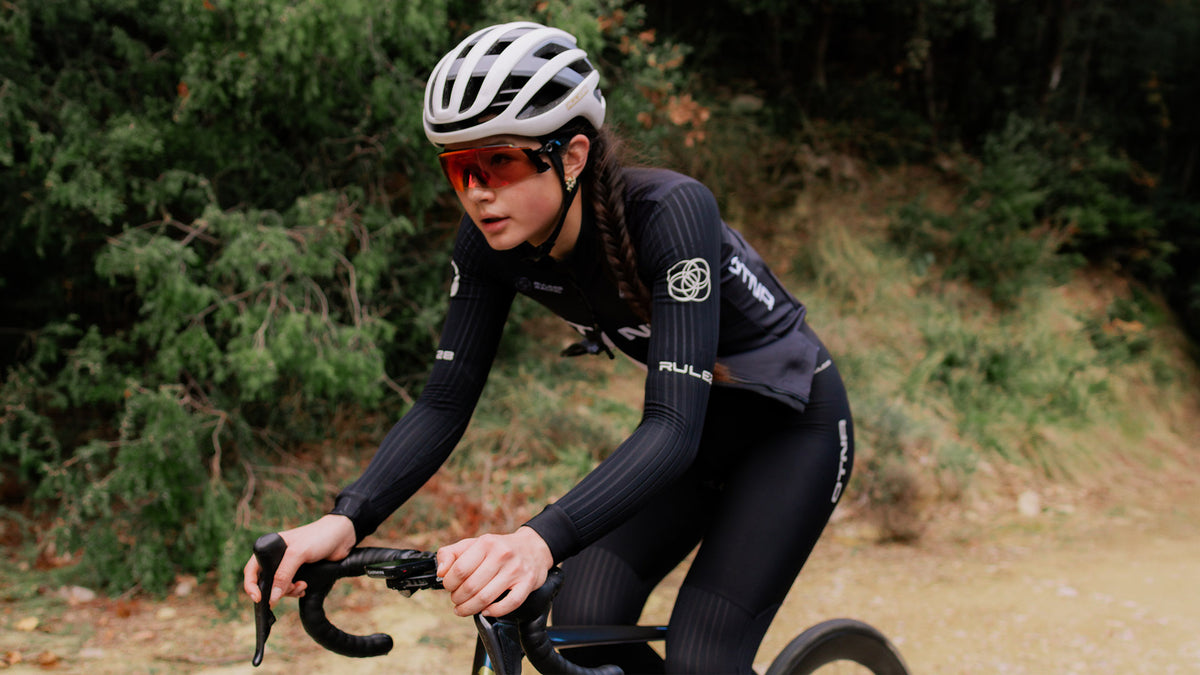
When the road stretches ahead and every second counts, the fabric of a cyclist’s kit becomes as critical as the power output of the legs. Modern performance cycling apparel is engineered to reduce drag, manage temperature, and enhance comfort, allowing riders to translate their effort into speed more efficiently. Selecting the right materials is not merely a matter of style; it is a strategic decision that can shave precious seconds off a race or a time-trial. This guide breaks down the science behind the fabrics, the technologies that make them work, and practical criteria for choosing the best gear for maximum velocity.
Understanding the Core Material Properties
1. Aerodynamic Efficiency
Air resistance accounts for the majority of the forces a cyclist battles at speeds above 20″?km/h. Materials that compress tightly to the body and maintain a smooth surface are essential for aero cycling clothing. Look for:
- Low-profile weave: Tight, smooth yarns reduce micro-turbulence.
- Seam placement: Flat-lock or bonded seams eliminate raised edges that can catch air.
- Compression zones: Targeted compression smooths the silhouette and supports muscle groups.
2. Moisture Management
Thermoregulation is crucial for maintaining power output. High-performance fabrics employ capillary action and quick-dry technologies to pull sweat away from the skin. Key features include:
- Hydrophilic fibers: Pull moisture into the fabric’s interior where it evaporates faster.
- Ventilation panels: Mesh or laser-cut zones that increase airflow without compromising aerodynamics.
- Anti-odor treatment: Silver-ion or copper-based finishes keep the kit fresh on long rides.
3. Thermal Regulation
Riders face a wide temperature range, from chilly early-morning rides to scorching summer heats. Materials that adapt to changing conditions provide a competitive edge. Consider:
- Phase-change materials (PCMs): Store and release heat as needed.
- Insulating layers: Lightweight fleece or wind-proof membranes that can be added or removed.
- Breathable membranes: Gore-Tex??-style laminates that block wind while allowing sweat vapor to escape.
Key Fabric Technologies on the Market
Several manufacturers have pioneered proprietary blends that combine the above properties. While brand names differ, the underlying technologies share common goals.
- Polylactic Acid (PLA) blends: Offer a high strength-to-weight ratio and excellent moisture wicking.
- Polypropylene (PP) fibers: Naturally hydrophobic, they keep the outer surface dry while moving sweat inward.
- Elastane (Lycra/Spandex) integration: Provides the stretch needed for a snug, aerodynamic fit without restricting movement.
When evaluating a new aero cycling kit, examine the fabric composition label. A typical high-performance mix might read 78% polyester, 20% elastane, 2% moisture-wicking treatment, a balance that delivers compression, stretch, and rapid drying.
How to Choose the Best Materials for Your Riding Style
Road Racing & Time Trials
Speed is paramount; every gram of drag matters.
- Prioritize ultra-smooth, bonded fabrics with minimal seams.
- Select kits with integrated aerodynamic cycling clothing features such as rear-panel vents that open only when the rider leans forward.
- Opt for a tight, compressive fit that reduces flutter and keeps muscles warm.
Gran Fondos & Long-Distance Events
Endurance demands comfort and temperature control.
- Choose fabrics with layered moisture-management systems.
- Incorporate removable arm or chest panels for adaptable ventilation.
- Consider a slightly looser cut in the torso to prevent chafing over hours of riding.
Mountain & Gravel Riding
Variable terrain introduces wind, dust, and rapid temperature swings.
- Look for durable ripstop weaves that resist abrasion.
- Water-repellent treatments (DWR) keep you dry in sudden showers.
- Integrated UV protection helps maintain skin health on exposed trails.
Integrating Apparel with Other best cycling upgrades
Even the most advanced fabric cannot compensate for poor bike fit or sub-optimal equipment. Pairing the right kit with marginal gains in other areas amplifies overall performance.
- Bike fit: A correctly sized frame ensures the aerodynamic posture the apparel is designed for.
- Wheel selection: Deep-section carbon wheels reduce drag, complementing the low-drag kit.
- Power meter data: Use real-time metrics to fine-tune effort, making the most of the comfort and compression provided by the clothing.
These cycling marginal gains compound, turning a well-chosen fabric into a measurable time advantage.
Maintenance Tips to Preserve Material Performance
High-tech fabrics are sensitive to harsh detergents and excessive heat. Proper care extends the lifespan of your kit and maintains its aerodynamic properties.
- Wash in cold water on a gentle cycle; avoid fabric softeners.
- Air-dry flat or on a low-heat setting; high heat can degrade elastane.
- Store folded, not hung, to prevent stretching of compression zones.
- Periodically re-apply DWR spray if the garment is used in wet conditions.
Conclusion: Making an Informed Choice
Choosing the best materials for speed is a blend of science, personal preference, and the specific demands of each ride. By understanding aerodynamic efficiency, moisture management, and thermal regulation, cyclists can select apparel that not only feels comfortable but also contributes to measurable performance gains. When the fabric works in harmony with bike fit, equipment upgrades, and disciplined maintenance, the result is a cohesive system that maximizes every watt of power delivered to the road. For riders seeking a competitive edge, investing in high-quality aero cycling gear and aligning it with broader cycling race kit strategies is the smartest path toward faster, more consistent results.