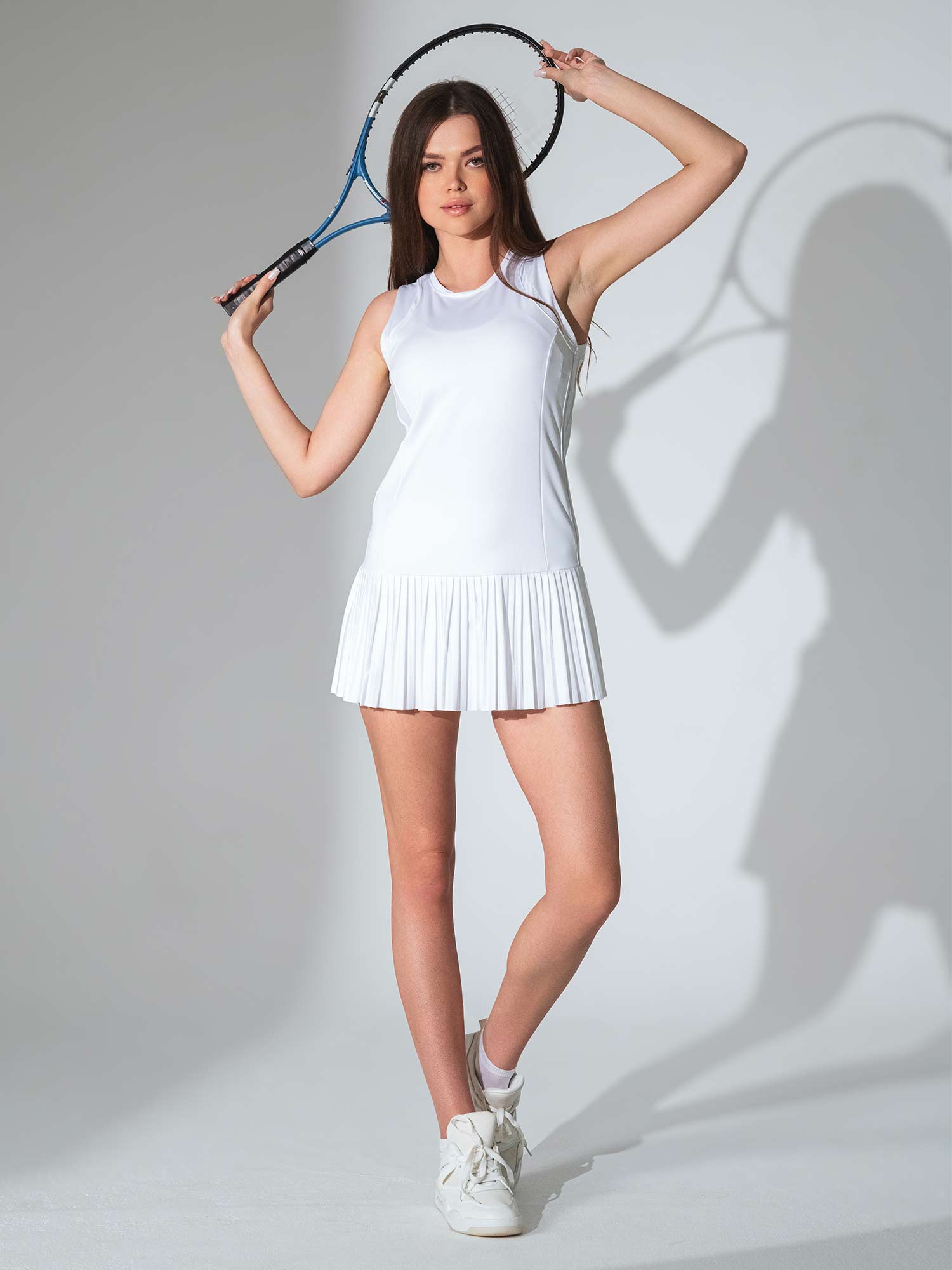
In the world of tennis, where agility and precision are paramount, style has increasingly become an integral part of the game. As more women embrace the sport, the demand for apparel that combines functionality with fashion has soared. Tennis dresses for women are no longer just about comfort and performance; they are an expression of personal style and elegance on the court. This evolution in tennis attire has given rise to a trend known as ‘Court Couture,’ where stylish and efficient tennis dresses are at the forefront.
The Rise of Stylish Tennis Dresses
Historically, tennis attire was predominantly functional, designed to facilitate ease of movement while adhering to traditional dress codes. However, the modern era has seen a shift towards incorporating style without compromising performance. This has led to the creation of a wide array of tennis dresses for women that cater to diverse tastes and preferences.
Design Elements to Consider
- Fabric Technology: Modern tennis dresses often feature moisture-wicking fabrics that keep players dry and comfortable during intense matches.
- Fit and Function: A well-fitted dress is crucial for unrestricted movement. Look for designs that offer a balance between snug fit and flexibility.
- Ventilation: Mesh panels and strategic cutouts can enhance breathability, ensuring that players remain cool under pressure.
- Pockets and Storage: Convenient storage for tennis balls is an often-overlooked feature that many modern dresses now incorporate.
Trending Styles in Women’s Tennis Dresses
The latest womens tennis dress styles reflect a blend of classic elegance and contemporary flair. From minimalist designs to bold prints, there is something for everyone.
Classic Whites vs. Bold Colors
- Classic Whites: Traditional white dresses continue to be popular for their timeless appeal. They exude sophistication and are often preferred for their versatility.
- Bold and Bright: For those looking to make a statement, vibrant colors and patterns add a playful edge to any match.
Innovative Cuts and Silhouettes
- A-Line Dresses: This silhouette is flattering for most body types, offering a graceful, flowing appearance.
- Racerback Styles: Providing maximum freedom of movement, racerback designs are favored by many athletes.
- Layered Skirts: Adding a touch of femininity, layered skirts can enhance the aesthetic of any tennis dress.
The Importance of Sustainable Fashion
As awareness of environmental issues grows, the tennis apparel industry is also witnessing a shift towards sustainable fashion. Many brands now prioritize eco-friendly materials and production processes in their collections of tennis dresses for women.
- Recycled Fabrics: Utilizing materials made from recycled plastics helps reduce environmental impact.
- Organic Cotton: This eco-friendly alternative is gaining popularity for its minimal environmental footprint.
- Ethical Manufacturing: Ensuring fair labor practices and sustainable sourcing are key considerations for modern brands.
Choosing the Perfect Tennis Dress
Selecting the right tennis dress involves balancing aesthetic preferences with practical needs. Here are some tips to help in making the right choice:
- Consider the Climate: Lightweight, breathable fabrics are ideal for warmer weather, while thicker materials may be suitable for cooler climates.
- Reflect Your Personality: Choose designs and colors that align with personal style and confidence on the court.
- Test the Fit: Comfort and flexibility are paramount; ensure the dress allows for a full range of motion.
The evolution of tennis dresses from mere sportswear to a fashion statement is a testament to the growing emphasis on personal expression in sports. As players continue to push the boundaries of style and performance, the future of tennis fashion promises to be as dynamic and inspiring as the game itself.