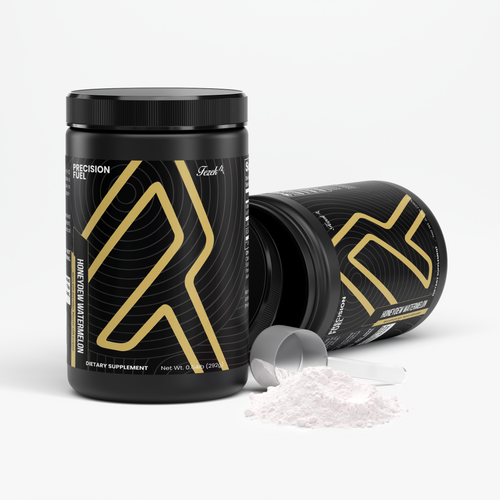
Branch-chain amino acids (BCAAs) have become a staple in many athletes’ nutrition plans because they play a direct role in muscle protein synthesis and recovery. When intense training creates microscopic tears in muscle fibers, the body must repair and rebuild those fibers to become stronger. Supplying the right nutrients at the right time can accelerate this process, reduce soreness, and improve overall training capacity. This article examines the science behind BCAA supplementation, outlines practical usage guidelines, and highlights how these compounds fit into a balanced fitness regimen.
What Are BCAAs and How Do They Work?
BCAAs refer to three essential amino acids: leucine, isoleucine, and valine. Unlike non-essential amino acids, the body cannot synthesize them; they must be obtained through diet or supplementation. Their unique metabolic pathway allows them to be oxidized directly in skeletal muscle, where they influence several key mechanisms:
- Leucine-triggered mTOR activation: Leucine is the primary signal for the mammalian target of rapamycin (mTOR) pathway, which initiates protein synthesis.
- Energy provision: During prolonged exercise, BCAAs can be used as an alternative energy source, helping to preserve glycogen stores.
- Reduction of muscle protein breakdown: Elevated BCAA levels can blunt catabolic signaling, limiting the degradation of existing muscle tissue.
Benefits of BCAA Supplementation for Muscle Repair
Accelerated Recovery
Research consistently shows that ingesting BCAAs around training sessions can lessen delayed-onset muscle soreness (DOMS). By providing immediate substrates for repair, athletes often experience reduced stiffness and can return to training sooner.
Enhanced Protein Synthesis
Leucine’s role as a potent mTOR activator makes it a critical trigger for new muscle protein formation. When combined with a complete protein source later in the day, BCAAs help maintain a positive net protein balance.
Preservation of Lean Mass During Caloric Deficits
During weight-loss phases, the risk of losing muscle alongside fat increases. Supplementing with BCAAs can help preserve lean tissue by supplying the muscles with essential building blocks even when overall protein intake is modest.
How to Incorporate BCAAs Into a Training Routine
Timing, dosage, and overall dietary context are essential for maximizing the benefits of BCAAs. Below are practical recommendations:
- Pre-workout: Consuming 5-7″?g of BCAAs 15-30 minutes before training can provide an immediate energy source and prime the mTOR pathway.
- Intra-workout: For sessions lasting longer than 60″?minutes, sipping a BCAA solution can sustain amino acid levels and reduce fatigue.
- Post-workout: Pairing 7-10″?g of BCAAs with a carbohydrate-protein blend within 30 minutes after exercise supports rapid recovery.
- On rest days: A smaller dose (3-5″?g) can help maintain an anabolic environment without excess calories.
For a deeper dive into dosage strategies, Read more about this topic.
Combining BCAAs With Other Nutrients
While BCAAs are powerful on their own, synergistic effects arise when they are combined with other nutrients:
- Carbohydrates: Insulin released in response to carbs amplifies amino acid uptake into muscle cells.
- Creatine: Supports ATP regeneration, complementing BCAA-driven protein synthesis.
- Full-spectrum protein sources: Whole proteins (e.g., whey, soy, pea) supply the remaining essential amino acids that BCAAs lack.
To explore how these nutrients interact, Learn more in this detailed guide.
Potential Considerations and Safety
BCAAs are generally well tolerated, but certain factors should be kept in mind:
- Medical conditions: Individuals with maple syrup urine disease or liver disorders should avoid high BCAA intake.
- Excessive dosing: Very high amounts may lead to imbalances in other amino acids and could stress kidney function in susceptible people.
- Dietary balance: Relying solely on supplements can replace whole-food sources that provide fiber, micronutrients, and phytonutrients.
For comprehensive safety guidelines, Explore further insights here.
Practical Tips for Choosing a Quality BCAA Product
Even without brand references, certain criteria help identify a reliable supplement:
- Transparent labeling with exact leucine, isoleucine, and valine ratios (commonly 2:1:1).
- Third-party testing for purity and absence of contaminants.
- Minimal added sugars or artificial flavors if the goal is performance rather than taste.
For additional information on evaluating supplement labels, Find additional information here.
Conclusion
BCAA fitness supplements can be a valuable tool for athletes seeking faster muscle repair, reduced soreness, and preservation of lean mass, especially when integrated thoughtfully with timing, dosage, and complementary nutrients. By understanding the underlying mechanisms and applying evidence-based practices, individuals can enhance recovery without relying on excessive protein intake or compromising overall dietary quality. As with any supplement, personal health status and dietary patterns should guide usage, and consultation with a qualified health professional is advisable for those with underlying conditions.