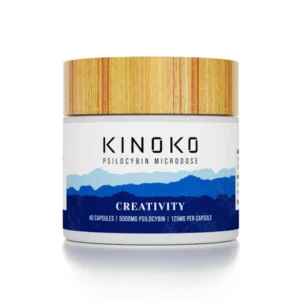
Microdosing has moved from fringe experimentation to a mainstream conversation about cognitive enhancement, mood regulation, and creative flow. While the practice often involves sub-perceptual doses of psilocybin-containing fungi, the true impact lies in the complex interaction between neurochemistry, brain plasticity, and the body’s natural stress-response systems. Understanding the science behind microdose capsules helps demystify why a modest amount taken regularly can produce measurable changes without the hallucinogenic intensity associated with larger doses.
What Constitutes a Microdose?
A microdose is typically defined as 1/10 to 1/20 of a recreational dose of psilocybin. In practical terms, this translates to roughly 0.1″?-“?0.3”?grams of dried mushroom material, encapsulated for precise dosing. The goal is to stay below the threshold of perceptible psychedelic effects while still engaging the brain’s serotonin receptors enough to trigger subtle neurochemical shifts.
Key Pharmacological Mechanisms
- 5-HT2A Receptor Modulation: Psilocybin is converted to psilocin, which acts as a partial agonist at the 5-HT2A receptor. Low-level activation promotes increased connectivity between brain regions without overwhelming sensory perception.
- Neurotrophic Factor Release: Studies show modest up-regulation of brain-derived neurotrophic factor (BDNF), supporting synaptic growth and resilience.
- Default Mode Network (DMN) Attenuation: Slight dampening of the DMN reduces rigid thought patterns, fostering flexibility and creative insight.
Physiological Effects Observed in Clinical Settings
Controlled trials and observational studies have identified several repeatable outcomes linked to consistent microdosing schedules. While individual responses vary, the following trends appear most robust:
- Improved mood stability and reduced symptoms of mild depression.
- Enhanced focus and working memory performance on cognitive tasks.
- Increased divergent thinking, a core component of creativity.
- Lowered perceived stress and improved sleep quality in some participants.
Dosage Timing and Frequency
Most protocols adopt a “one-day-on, two-days-off” regimen to prevent tolerance buildup. This schedule allows the brain to integrate the subtle changes while maintaining a steady baseline of neurochemical activity.
Why Choose Encapsulated Formulations?
Encapsulation offers several advantages over raw or powdered consumption, especially for those seeking consistency and discretion. A well-manufactured microdose capsule provides:
- Precise Dosing: Each capsule contains a measured amount, eliminating guesswork.
- Stability: Properly sealed capsules protect psilocin from oxidation, preserving potency.
- Convenience: Easy to incorporate into a daily routine without the need for weighing or measuring.
Quality Assurance Considerations
When evaluating micro dose capsules, look for:
- Third-party lab testing confirming psilocybin content and absence of contaminants.
- Transparent sourcing from reputable fungal strains.
- Clear labeling of capsule weight and recommended dosing schedule.
Potential Risks and Contraindications
Even at low doses, psilocybin interacts with the serotonergic system, which can pose challenges for certain individuals. Consider the following precautions:
- Medication Interactions: Concurrent use of selective serotonin reuptake inhibitors (SSRIs) or MAO inhibitors may amplify serotonergic effects.
- Psychiatric History: Those with a personal or family history of psychosis should approach microdosing with caution.
- Pregnancy & Lactation: Insufficient data exists; avoidance is recommended.
Integrating Microdose Capsules Into a Holistic Routine
Maximizing the benefits of a micro dose capsule often involves complementary lifestyle practices. The following framework supports sustained cognitive and emotional gains:
Nutrition and Hydration
- Maintain a balanced diet rich in omega-3 fatty acids, antioxidants, and B-vitamins to support neuronal health.
- Stay well-hydrated; dehydration can exacerbate mild headaches sometimes reported during microdosing cycles.
Physical Activity
- Regular aerobic exercise promotes neurogenesis, synergizing with the BDNF boost from psilocin.
- Mind-body practices such as yoga or tai chi can enhance the stress-reduction effects of microdosing.
Mindfulness and Journaling
- Brief meditation sessions (5-10 minutes) help anchor the subtle shifts in perception.
- Keeping a daily log of mood, focus, and creative output provides valuable feedback for dose adjustments.
Current Research Landscape
Academic interest in sub-psychedelic dosing has surged, with several universities launching double-blind studies. Preliminary findings suggest that microdosing may:
- Enhance functional connectivity between the prefrontal cortex and hippocampus.
- Modulate inflammatory markers linked to mood disorders.
- Produce a dose-response curve that plateaus at very low concentrations, reinforcing the importance of precise micro dose capsule formulations.
Conclusion
The emerging science behind microdose capsules paints a picture of a nuanced, dose-dependent interaction with brain chemistry that can support mood, cognition, and creativity without overt psychedelic effects. While the field is still evolving, current evidence underscores the value of precise, high-quality encapsulated products combined with mindful lifestyle practices. For individuals seeking a measured, evidence-informed approach to cognitive enhancement, integrating a well-formulated microdose capsule into a structured routine offers a promising pathway.