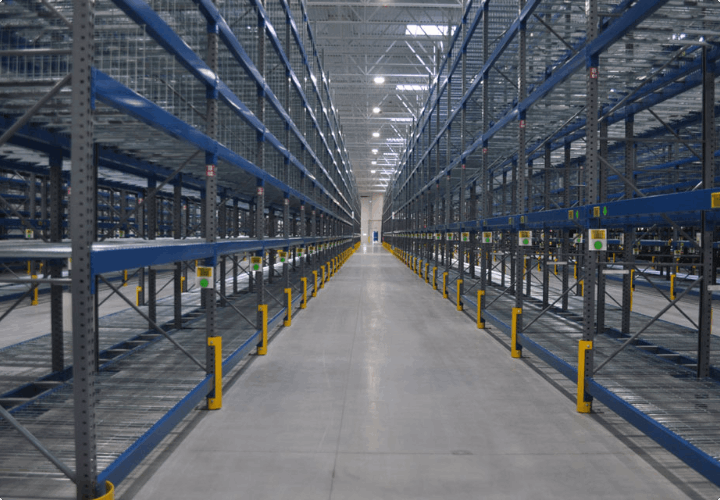
In the fast-paced world of industrial operations, maximizing storage efficiency is paramount. Industrial racking systems offer a sophisticated solution to storage challenges, enhancing both space utilization and operational workflow. These systems are designed to adapt to various inventory types and sizes, providing a versatile and scalable option for businesses looking to optimize their storage capabilities. By implementing an effective racking strategy, businesses can significantly improve their operational efficiency and reduce overhead costs.
Understanding Industrial Racking Systems
Industrial racking systems are engineered structures designed to store products in an organized and accessible manner. They come in various types, each tailored to specific storage needs:
- Pallet Racking: Ideal for storing large quantities of palletized goods. This system allows for easy retrieval and is highly customizable.
- Drive-In/Drive-Through Racks: Suitable for high-density storage, these systems are perfect for managing homogenous products.
- Cantilever Racking: Best for long or bulky items, such as lumber or pipes, providing unobstructed access to goods.
- Push Back Racking: Allows multiple pallets to be stored on a slight incline, enabling first-in, last-out retrieval.
Benefits of Implementing Racking Systems
Racking systems offer numerous advantages that contribute to a more efficient and organized warehouse environment:
Optimized Space Utilization
By using vertical space effectively, racking systems enable businesses to store more products in a smaller footprint. This can lead to reduced warehouse rental costs and increased storage capacity. Explore advanced guides and tips on optimizing warehouse space.
Improved Inventory Management
With a well-organized racking system, inventory management becomes more straightforward. It allows for easier tracking and rotation of stock, ensuring that goods are easily accessible and reducing the risk of overstock or understock situations.
Enhanced Safety Features
Safety is a critical consideration in warehouse operations. Racking systems are designed with safety in mind, offering features that help prevent accidents and damage to products. Find out more about this approach to incorporate safety measures into your storage solutions.
Scalability and Flexibility
As businesses grow, their storage needs may change. Racking systems are inherently scalable, allowing for easy adjustments and expansions. This flexibility ensures that the storage solution remains aligned with the business’s evolving needs. Discover expert strategies here for scalable storage solutions.
Choosing the Right Racking System
Selecting the appropriate racking system depends on various factors, including the type of products stored, available space, and operational workflow. Here are some considerations:
- Product Type: Understand the dimensions and weight of your products to choose a system that can accommodate them effectively.
- Space Constraints: Analyze the available space to determine the optimal configuration, ensuring that the racking system does not impede movement or operations.
- Accessibility Requirements: Consider how frequently items need to be accessed and choose a system that facilitates ease of retrieval.
For businesses seeking a tailored solution, it’s essential to work with experienced professionals who can provide customized advice and implementation. Learn about our tailored solutions for industrial racking systems.
Conclusion
Industrial racking systems present a strategic advantage for businesses aiming to enhance their storage capabilities efficiently. By optimizing space, improving inventory management, and ensuring safety, these systems provide a robust foundation for effective warehouse operations. Whether upgrading an existing setup or designing a new system, a well-considered racking solution can significantly impact a business’s overall productivity and profitability.