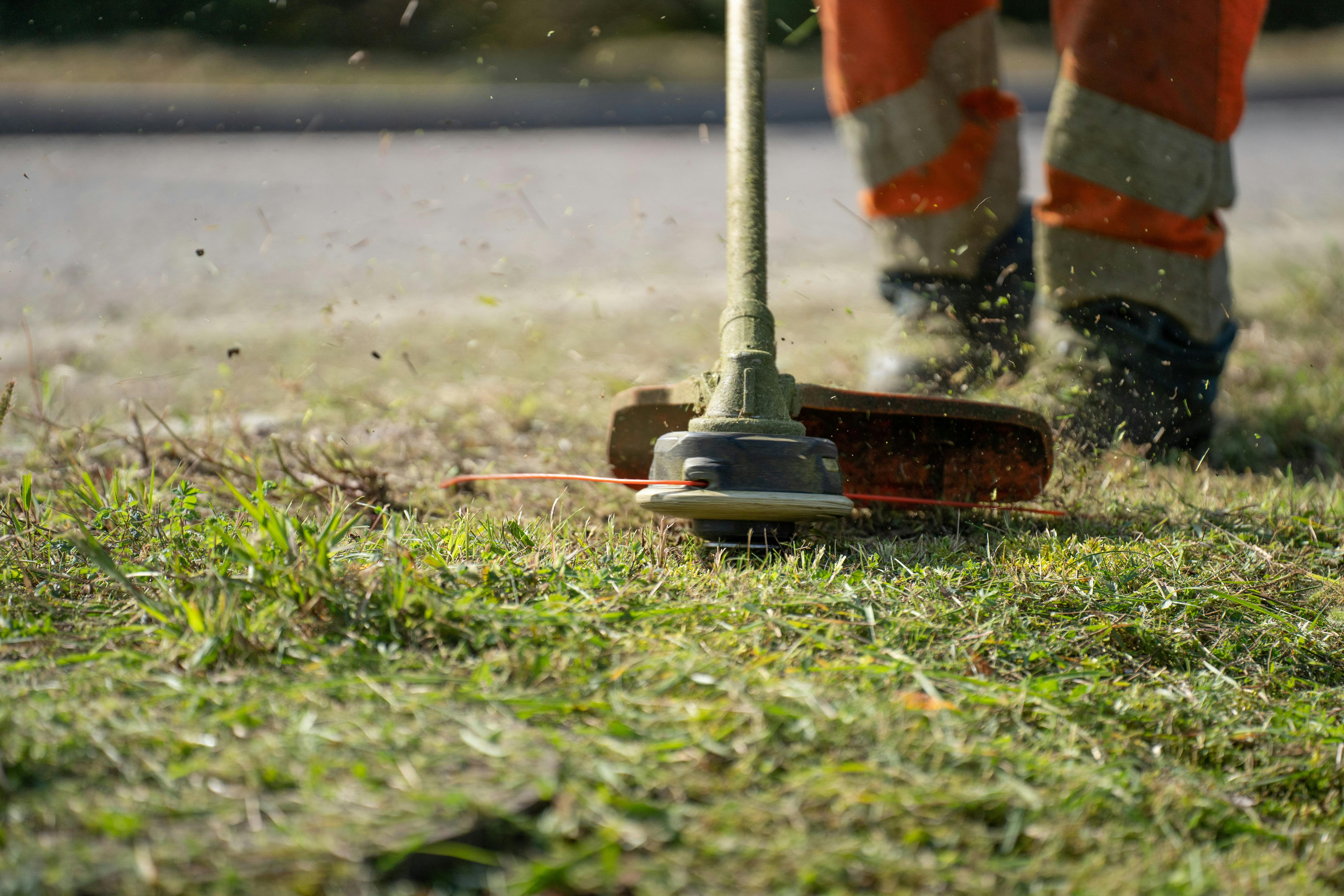
Maintaining a garden bed is both an art and a science. Whether cultivating vegetables, herbs, or ornamental plants, consistent care ensures healthy growth, vibrant color, and long-term soil fertility. This guide compiles the most effective maintenance practices recommended by seasoned garden care professionals, offering clear steps that can be applied to any garden size or climate.
Planning and Preparing the Bed
Soil Assessment and Amendment
- Conduct a simple soil test to determine pH and nutrient levels; most garden beds thrive in a slightly acidic to neutral range (pH 6.0-7.0).
- Incorporate organic matter such as compost or well-rotted manure to improve structure, water retention, and microbial activity.
- Apply a balanced, slow-release fertilizer based on test results, following the recommended application rates.
For a deeper dive into soil preparation techniques, Read more about this topic.
Layout and Crop Rotation
- Design the bed with adequate spacing to allow air circulation and root expansion.
- Implement a crop-rotation schedule, moving plant families to new locations each season to reduce disease buildup.
- Use companion planting principles to enhance pest control and nutrient sharing.
Routine Maintenance Practices
Water Management
- Water early in the morning to reduce evaporation and minimize fungal risk.
- Employ drip irrigation or soaker hoses for consistent moisture delivery directly to the root zone.
- Monitor soil moisture with a hand probe; aim for a damp, but not soggy, feel 2-3 inches below the surface.
Learn more in this detailed guide.
Weeding and Mulching
- Remove weeds promptly to prevent competition for nutrients and water.
- Apply a 2-3 inch layer of organic mulch (straw, wood chips, or shredded leaves) after planting.
- Refresh mulch annually to maintain its insulating and moisture-retaining properties.
Pruning and Training
- Trim dead or diseased foliage as soon as it appears to improve airflow.
- Use stakes, cages, or trellises for climbing vegetables and tall perennials to keep plants upright and productive.
- Pinch back herb tops regularly to encourage bushier growth and prevent bolting.
Pest and Disease Management
Integrated Pest Management (IPM)
- Scout the bed weekly for early signs of insects or disease.
- Encourage beneficial insects (ladybugs, lacewings) by planting nectar-rich flowers nearby.
- Apply organic controls, such as neem oil or insecticidal soap, only when thresholds are exceeded.
Explore further insights here.
Preventive Cultural Practices
- Rotate crops and avoid planting the same family in the same spot for more than two consecutive seasons.
- Maintain proper spacing to reduce humidity levels that favor fungal growth.
- Remove plant debris at season’s end to eliminate overwintering pest habitats.
Seasonal Adjustments
Spring
- Start with a thorough soil amendment and a light fertilization to kick-start growth.
- Plant cool-season crops (lettuce, peas, radishes) early, then transition to warm-season varieties (tomatoes, peppers) after the danger of frost passes.
Summer
- Increase watering frequency during heat spikes, ensuring deep, infrequent applications.
- Shade delicate seedlings with row covers or temporary shade cloths to prevent scorching.
Autumn
- Harvest remaining produce and begin planting cover crops (clover, rye) to protect soil over winter.
- Reduce fertilizer use; focus on adding organic matter to replenish nutrients.
Winter
- Keep the bed mulched to insulate roots from freeze-thaw cycles.
- Perform a final soil test and plan amendments for the upcoming growing season.
Find additional information here.
Monitoring and Record Keeping
- Maintain a garden journal noting planting dates, varieties, fertilization schedules, and observed pest activity.
- Track weather patterns and irrigation amounts to refine watering practices.
- Review yearly performance to adjust crop rotation, soil amendments, and pest-control strategies.
Conclusion
Effective garden bed maintenance blends careful planning, regular observation, and timely interventions. By following these professional-endorsed practices, soil preparation, consistent watering, strategic mulching, and integrated pest management, gardeners can achieve robust plant health, higher yields, and a more resilient ecosystem. Continuous learning and adaptation, supported by reliable resources such as the guide linked throughout this article, will keep any garden thriving season after season.