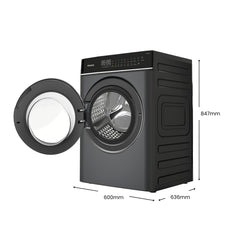
When it comes to choosing the right washing machine, consumers are often faced with the decision between front load and top load models. Each type offers unique advantages and potential drawbacks, and understanding these differences is crucial for making an informed purchase. The choice between a washing machine top loader and a front load model can impact not only the cost and convenience but also the energy efficiency and performance of your laundry routine.
Design and Functionality
The fundamental difference between front load and top load washing machines lies in their design and how they function. This difference influences the user experience and dictates the overall efficiency of the appliance.
Front Load Washing Machines
- Designed with a door on the front of the machine.
- Utilizes a horizontal drum that rotates clothes through a small pool of water.
- Typically offers a higher spin speed, which can result in drier clothes after the cycle ends.
- Ideal for stacking, allowing for space-saving configurations in smaller laundry areas.
Front load models, such as the 8.5kg front load washing machine, are often praised for their efficiency and thorough cleaning capabilities. The tumbling action mimics hand washing, which is gentler on clothes, potentially extending their lifespan.
Top Load Washing Machines
- Features a lid on the top of the machine.
- Uses either an agitator or an impeller to move clothes through the water.
- Generally easier to load and unload, especially for individuals with mobility issues.
- Often faster wash cycles compared to front loaders.
Top load washers, like the washing machine models with advanced features, provide a familiar and straightforward laundry experience, making them a popular choice for many households.
Efficiency and Water Usage
Efficiency is a key consideration when comparing washing machine top loader and front load models. The energy and water consumption of each type can significantly affect utility bills and the environmental footprint.
Energy Efficiency
- Front load washing machines generally use less energy due to efficient water usage and higher spin speeds, reducing drying time.
- Top load machines, particularly those with agitators, may consume more energy as they often require more water to cover the clothes.
Water Usage
- Front loaders are known for their reduced water usage, as they only partially fill the drum.
- Top loaders with agitators typically use more water, although newer models with impellers can be more comparable to front loaders.
Performance and Maintenance
The performance of a washing machine is not only about cleaning power but also involves the ease of maintenance and longevity of the machine.
Cleaning Performance
- Front loaders often excel in cleaning performance, handling stains and dirt effectively due to the tumbling action.
- Top loaders, while effective, may struggle with heavily soiled items compared to their front load counterparts.
Maintenance Considerations
- Front load washing machines may require more maintenance to prevent mold and mildew due to the door seal design.
- Top loaders are generally easier to maintain, with fewer issues related to moisture buildup.
Conclusion
The choice between a front load and a top load washing machine ultimately depends on personal preferences, specific needs, and priorities regarding efficiency and performance. Those prioritizing energy savings and thorough cleaning might opt for a front loader, while individuals requiring quick cycles and ease of use might find a top loader more suitable. Regardless of the choice, modern washing machine models are designed to cater to diverse consumer needs, offering various features and innovations to enhance the laundry experience.