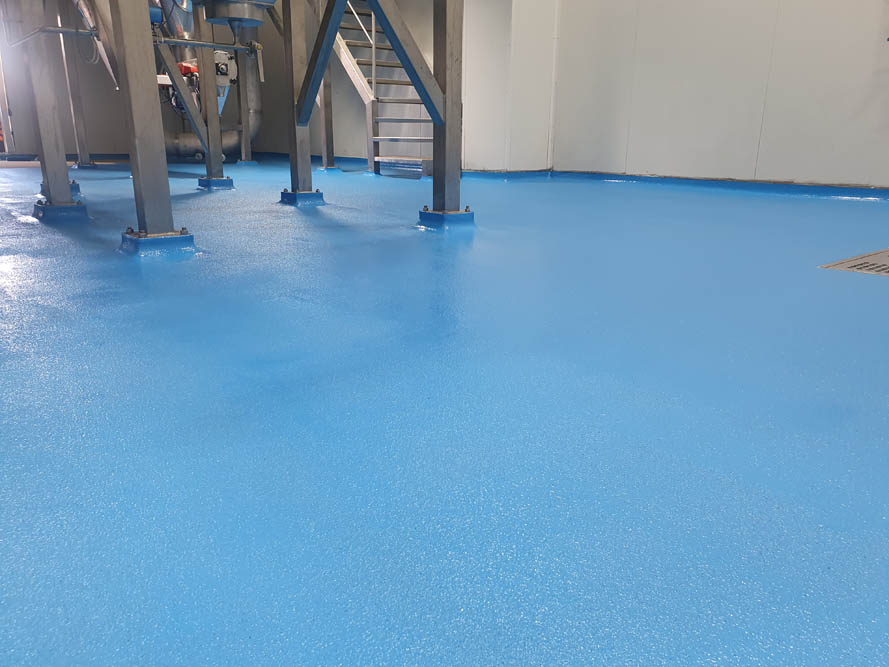
Choosing the right flooring solution is crucial for environments where chemicals are in regular use. Chemical resistant flooring provides a protective barrier to safeguard floors against damage from corrosive substances. Whether in a laboratory, industrial space, or a commercial kitchen, the right flooring not only ensures durability but also enhances safety and compliance with industry regulations. With a variety of options available, selecting the correct type of chemical resistant flooring can be a challenging task. This article aims to provide clear guidance on making an informed choice.
Understanding Chemical Resistant Flooring
Chemical resistant flooring is designed to withstand exposure to harsh chemicals, ensuring the longevity of the floor and safety of the environment. It is particularly essential in industries where spillages of acids, alkalis, solvents, and other corrosive substances are common. The flooring must be durable, easy to clean, and capable of withstanding mechanical wear.
Key Features to Consider
- Durability: The flooring should be able to endure heavy foot traffic and the movement of machinery without losing its integrity.
- Resistance to Chemicals: It must resist degradation from specific chemicals used within your environment.
- Ease of Maintenance: The flooring should allow for easy cleaning without requiring extensive downtime.
- Slip Resistance: Safety is paramount, so flooring should reduce the risk of slips and falls.
- Installation Time and Cost: Consider the time and cost of installation, balancing it against the long-term benefits.
Types of Chemical Resistant Flooring
When exploring options for chemical resistant flooring, several materials are commonly used:
Chemical Resistant Epoxy Flooring
Chemical resistant epoxy flooring is a popular choice due to its robust nature and wide range of applications. Epoxy coatings offer excellent resistance to a variety of chemicals, and their seamless finish prevents the absorption of liquids, making them easy to clean and maintain. This type of flooring is also customizable in terms of color and texture, making it suitable for both aesthetic and functional needs.
Polyurethane Flooring
Polyurethane flooring is another excellent option, especially in environments with high thermal fluctuations. It offers excellent resistance to solvents and acids and boasts a degree of flexibility that allows it to withstand thermal cycling without cracking. This flooring type is often chosen for food processing areas where hygiene and resistance to organic acids are crucial.
Vinyl Ester Flooring
Vinyl ester flooring is highly resistant to solvents and harsh chemicals. It is typically used in environments where extreme chemical resistance is required, such as chemical processing plants. While not as common as epoxy or polyurethane, vinyl ester offers unmatched protection against aggressive chemicals.
Choosing the Right Flooring for Your Needs
Selecting the appropriate chemical resistant flooring involves evaluating the specific requirements of your environment. Consider the types of chemicals your floors will encounter and the frequency of exposure. It is also important to assess the mechanical stresses the flooring will endure, such as heavy equipment and foot traffic. Consulting with flooring experts can help ensure the correct material and installation method are chosen, providing peace of mind and long-term durability.
Conclusion
Chemical resistant flooring is an investment in safety, compliance, and longevity. By understanding the unique demands of your environment and the capabilities of different flooring materials, the ideal solution can be identified. Whether opting for chemical resistant epoxy flooring or another material, making an informed decision will safeguard both the integrity of the workspace and the wellbeing of its occupants.