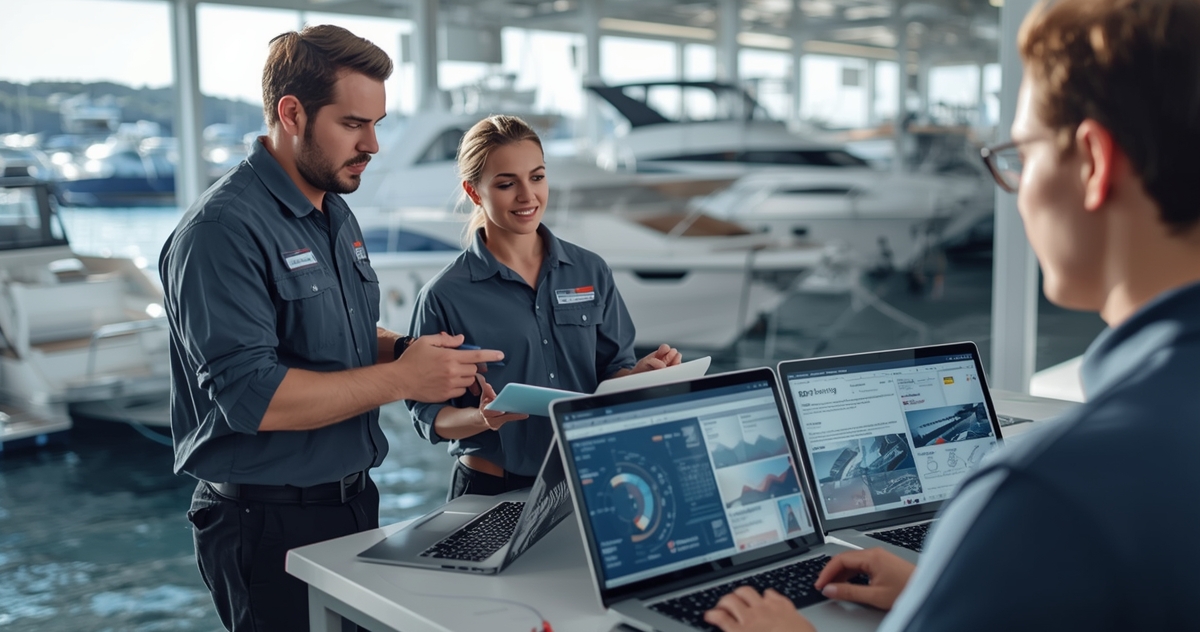
In the ever-evolving world of marine services, automation has emerged as a key driver of productivity and profitability. The maritime industry, known for its traditional operations, is gradually embracing technological advancements to streamline processes, reduce human error, and increase efficiency. As marine service providers strive to remain competitive, automating various aspects of their operations not only enhances productivity but also significantly boosts profitability. This article delves into the benefits of automation in marine services and provides insights into how these technologies can be effectively implemented.
Understanding Automation in Marine Services
Automation in marine services involves using technology to perform tasks that were traditionally done manually. This can include automating logistics, navigation, maintenance, and communication systems on vessels. The primary goal is to improve operational efficiency while minimizing human intervention.
Key Areas of Automation
- Logistics Management: Automated systems help in optimizing routes, scheduling, and cargo handling, reducing delays and operational costs.
- Navigation and Steering: Advanced navigation systems enhance safety and precision, enabling vessels to operate efficiently even in challenging conditions.
- Maintenance and Monitoring: Predictive maintenance technologies allow for real-time monitoring of equipment, reducing downtime and extending equipment lifespan.
- Communication Systems: Automated communication platforms facilitate seamless interaction between crew, shore-based teams, and other vessels, enhancing coordination and response times.
These areas highlight the broad scope of automation in marine services. Read more about this topic to understand the depth of these advancements.
Benefits of Automating Marine Services
Implementing automation in marine services offers numerous advantages, including:
- Enhanced Safety: Automation reduces human error, leading to safer operations and fewer accidents.
- Increased Efficiency: Automated systems streamline processes, enabling faster and more accurate task completion.
- Cost Savings: By reducing manual labor and optimizing operations, companies can achieve significant cost reductions.
- Improved Data Management: Automation facilitates better data collection and analysis, enhancing decision-making processes.
For those interested in the potential cost savings and safety improvements, learn more in this detailed guide about automation’s impact on the marine industry.
Implementing Automation in Marine Operations
Introducing automation into marine operations requires careful planning and execution. Here are some steps to consider:
Assessment and Planning
- Identify Needs: Analyze current operations to determine areas that would benefit most from automation.
- Set Objectives: Establish clear goals for what automation should achieve, such as reducing costs or improving safety.
Technology Selection and Integration
- Choose the Right Tools: Select technologies that align with operational needs and objectives.
- Ensure Compatibility: Integrate new systems with existing infrastructure to maximize efficiency.
Training and Support
- Train Personnel: Provide comprehensive training to ensure staff are comfortable and competent with new systems.
- Ongoing Support: Establish support systems for troubleshooting and updates to maintain smooth operations.
To effectively implement these strategies, explore further insights here on the step-by-step process for integrating automation in maritime environments.
Challenges and Considerations
While automation presents numerous benefits, it also comes with challenges that must be addressed:
- Initial Costs: The upfront investment in technology and training can be significant.
- Resistance to Change: Employees may be hesitant to adopt new technologies, requiring change management strategies.
- Cybersecurity Risks: Automated systems can be vulnerable to cyber threats, necessitating robust security measures.
Despite these challenges, the long-term benefits of automation in marine services can outweigh the initial hurdles. Find additional information here about overcoming these challenges and ensuring successful implementation.
In conclusion, automating marine services is a strategic move that can significantly enhance productivity and profitability. By understanding the areas ripe for automation, realizing the benefits, and effectively managing the implementation process, marine service providers can position themselves for future success in an increasingly competitive market.