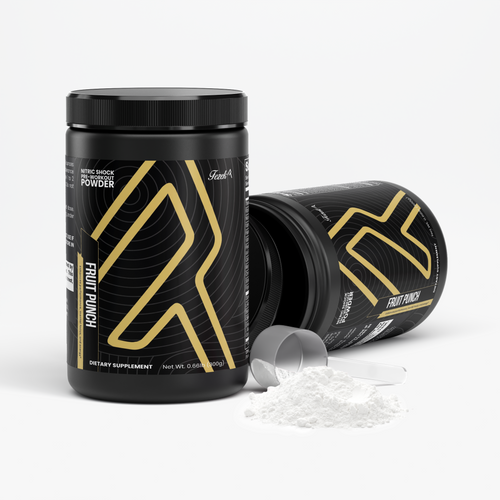
Creatine monohydrate remains one of the most researched and widely used dietary supplements in the fitness and athletic community. When incorporated correctly, it can enhance muscular strength, power output, and recovery without compromising safety. Understanding the science behind creatine, recognizing appropriate dosing protocols, and following best-practice guidelines are essential for anyone looking to benefit from this supplement while minimizing potential side effects.
How Creatine Monohydrate Works
Creatine is a naturally occurring compound stored primarily in skeletal muscle as phosphocreatine. During high-intensity activities, phosphocreatine rapidly donates a phosphate group to ADP, regenerating ATP, the body’s immediate energy source. By increasing the muscle’s phosphocreatine pool, supplementation allows athletes to sustain maximal effort for longer periods.
Key Physiological Benefits
- Improved Strength & Power: Studies consistently show 5-15% gains in one-rep max lifts after 4-6 weeks of supplementation.
- Enhanced Muscle Volume: Creatine promotes cellular hydration, which can lead to a modest increase in lean body mass.
- Faster Recovery: Reduced muscle damage markers and quicker replenishment of energy stores support more frequent training sessions.
- Neuroprotective Effects: Emerging research suggests potential cognitive benefits, particularly under sleep-deprived conditions.
Safety Profile and Common Concerns
Creatine monohydrate is classified as a safe supplement when taken within recommended dosages. The International Society of Sports Nutrition (ISSN) lists it as “practically free of side effects” for healthy adults. Nevertheless, some users report mild gastrointestinal discomfort or weight gain due to water retention.
Addressing Myths
- Kidney Damage: No credible evidence links standard creatine dosing to renal impairment in individuals with normal kidney function.
- Dehydration: Proper hydration mitigates any perceived risk; creatine actually helps cells retain water.
- Hormonal Disruption: Research shows no impact on testosterone or cortisol levels.
Recommended Dosage Strategies
Two primary protocols dominate the literature: the loading phase and the maintenance-only approach. Both achieve similar muscle saturation levels; the choice depends on personal preference and tolerance.
Loading Phase (Rapid Saturation)
- Consume 20″?g of creatine monohydrate per day, divided into 4″???”?5″?g doses, for 5-7 days.
- Follow with a maintenance dose of 3-5″?g per day for the remainder of the supplementation period.
This method raises intramuscular creatine stores within a week, allowing athletes to experience performance benefits sooner.
Maintenance-Only (Gradual Saturation)
- Take 3-5″?g of creatine monohydrate daily without an initial loading phase.
- Expect full muscle saturation in 3-4 weeks.
For those who prefer a simpler routine or have sensitive stomachs, the maintenance-only approach is a viable alternative.
Best Practices for Optimal Results
Integrating creatine effectively involves more than just dosing. The following guidelines help maximize benefits while preserving safety.
- Timing: Consuming creatine post-workout with a carbohydrate-protein source enhances uptake via insulin-mediated transport.
- Hydration: Aim for at least 2-3″?L of water daily; increased intracellular water content can raise overall fluid needs.
- Quality Assurance: Choose products that are third-party tested for purity. A reputable source can be found by Discover expert strategies here.
- Cycle Considerations: Continuous use is safe, but some athletes opt for 8-week on/4-week off cycles to assess personal response.
- Stacking: Pairing creatine with whey protein, beta-alanine, or caffeine is common; however, monitor tolerance and avoid excessive stimulant intake.
Special Populations
While creatine is safe for most adults, certain groups should consult healthcare professionals before beginning supplementation.
- Adolescents: Limited data exist; parental guidance and medical clearance are advised.
- Individuals with Renal Conditions: Baseline kidney function tests are recommended.
- Pregnant or Lactating Women: Current research does not support routine use during these periods.
Choosing a Reliable Creatine Product
When selecting a supplement, consider the following criteria to ensure efficacy and safety:
- Micronized or monohydrate form for better solubility.
- Absence of unnecessary fillers, artificial colors, or sweeteners.
- Transparent labeling with clear dosage instructions.
- Third-party certification such as NSF or Informed-Sport.
For a curated selection that meets these standards, Learn about our tailored solutions and explore options that align with performance goals.
Monitoring Progress and Adjusting Dosage
Tracking performance metrics, such as lift totals, sprint times, or recovery rates, helps determine whether creatine is delivering the expected benefits. If gains plateau, consider the following adjustments:
- Increase daily water intake by 500″?ml.
- Re-evaluate carbohydrate timing around workouts.
- Temporarily pause supplementation for a week to reset baseline levels.
Additional guidance on fine-tuning supplementation can be found by Explore advanced guides and tips.
Conclusion
Creatine monohydrate stands out as a scientifically validated, cost-effective supplement for enhancing strength, power, and recovery. By adhering to evidence-based dosing protocols, maintaining proper hydration, and selecting high-quality products, athletes and fitness enthusiasts can safely integrate creatine into their regimens. Continuous education and monitoring ensure that the supplement supports long-term performance goals without compromising health. For deeper insight into personalized supplementation strategies, Find out more about this approach and stay informed with the latest research.