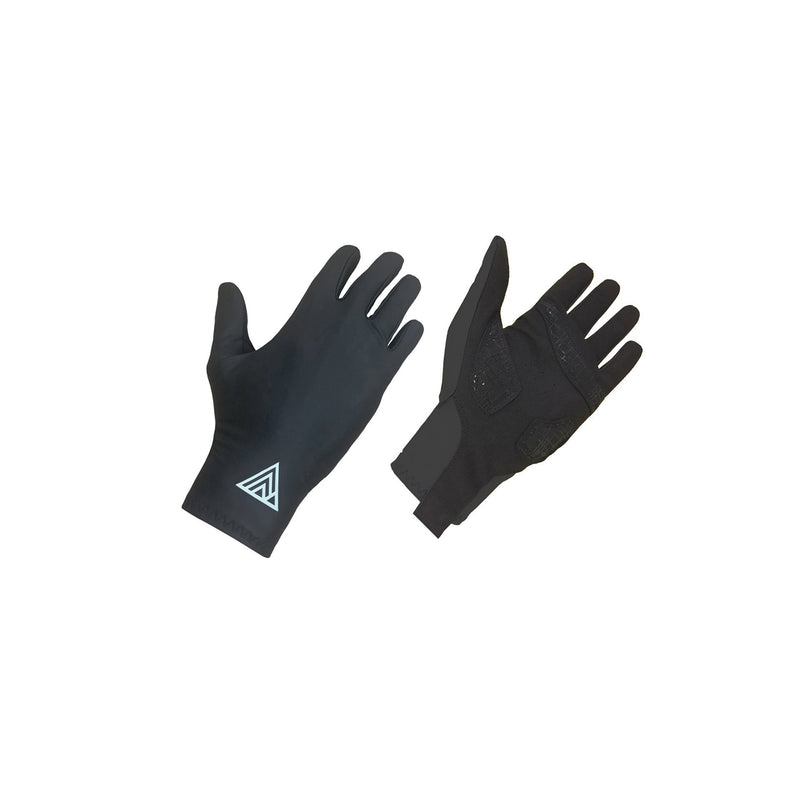
When cyclists chase marginal gains, the gloves they wear can be as decisive as frame geometry or wheel depth. Modern aero gloves blend aerodynamics, comfort, and durability through a series of material breakthroughs that reduce drag while preserving tactile feedback. Understanding these innovations helps riders select gloves that translate directly into faster times on the road or track, without sacrificing control or hand health.
Why Material Matters in Aero Glove Design
Every gram and every surface texture influences airflow around the hands, a region often overlooked in traditional aerodynamic analysis. Advanced fabrics and composites now serve three core purposes:
- Drag reduction: Smooth, low-friction surfaces streamline air flow.
- Structural integrity: Materials must resist tearing, abrasion, and the repetitive stresses of long rides.
- Physiological comfort: Breathability, moisture management, and vibration dampening keep hands functional for hours.
For a deeper dive into how these factors interact, Discover expert strategies here.
Key Material Innovations
1. Ultra-Lightweight Ripstop Nylon
Ripstop nylon offers a high strength-to-weight ratio, making it ideal for the glove shell. Its tight weave prevents tears while keeping the overall mass under 50″?g per pair. The fabric’s inherent smoothness also contributes to a lower coefficient of drag.
2. Laminated Carbon-Fiber Panels
Strategically placed carbon-fiber inserts reinforce the palm and backhand, creating a rigid “airfoil” shape that channels airflow efficiently. These panels are thin enough to maintain flexibility but stiff enough to prevent hand deformation at high speeds.
3. Silicone-Coated Grip Zones
While the primary goal is aerodynamic efficiency, a secure grip remains essential. Silicone coatings are applied only where necessary, using a micro-pattern that reduces drag compared to traditional rubber while still providing tactile confidence.
4. Thermoplastic Elastomer (TPE) Padding
TPE delivers shock absorption without adding bulk. Its viscoelastic properties dampen road vibrations, reducing hand fatigue during prolonged efforts. The material also conforms to the hand’s natural shape, improving ergonomics.
5. Moisture-Wicking Mesh Lining
Advanced polyester-spandex blends pull sweat away from the skin, promoting rapid evaporation. This keeps the hand dry, preventing slippage and maintaining the aerodynamic profile of the glove surface.
Performance Benefits of Modern Materials
Integrating these materials yields measurable performance gains:
- Up to 2″?% reduction in drag compared with conventional leather gloves.
- Improved hand stability, translating to smoother power transfer.
- Extended comfort periods, allowing riders to maintain aero positions longer.
- Enhanced durability, meaning the aerodynamic benefits persist over many seasons.
For practical guidance on selecting the right combination, Learn about our tailored solutions.
Choosing the Right Aero Glove for Your Riding Style
Not every rider needs the same level of aerodynamic refinement. Consider the following factors when evaluating glove options:
- Discipline: Time trialists prioritize maximum drag reduction; criterium racers may balance aero performance with quick hand repositioning.
- Climate: Hot, humid conditions demand superior moisture management, while cooler climates benefit from added insulation.
- Fit Preference: Some cyclists favor a snug, glove-like feel, whereas others prefer a slightly looser cut for enhanced ventilation.
To explore a range of models that address these variables, Explore advanced guides and tips.
Maintenance Tips to Preserve Aerodynamic Integrity
Even the most advanced materials can lose their performance edge if not cared for properly. Follow these simple steps to keep aero gloves in peak condition:
- Hand-wash with a mild detergent; avoid machine cycles that can stress seams.
- Air-dry away from direct sunlight to prevent UV degradation of carbon-fiber panels.
- Periodically inspect silicone grip zones for wear; replace gloves before grip loss becomes noticeable.
- Store in a breathable bag to maintain the fabric’s moisture-wicking properties.
For a comprehensive maintenance checklist, Find out more about this approach.
Future Directions in Aero Glove Technology
Research continues to push the boundaries of what gloves can achieve. Emerging trends include:
- Nanotextured surfaces: Engineered micro-structures that manipulate airflow at the molecular level.
- Smart fabrics: Integrated sensors that monitor hand temperature and pressure, feeding data to cycling computers.
- Recyclable composites: Eco-friendly carbon blends that maintain performance while reducing environmental impact.
Staying informed about these developments ensures riders can adopt the latest tools for competitive advantage.
Conclusion
The evolution of aero glove materials illustrates how even small components can yield substantial time savings. By selecting gloves that combine ultra-light ripstop nylon, carbon-fiber reinforcement, silicone-enhanced grip, TPE padding, and moisture-wicking liners, cyclists gain a measurable edge in both speed and comfort. Continuous innovation promises even greater gains, making the humble glove an essential piece of the performance puzzle. For a curated selection of cutting-edge options, Discover expert strategies here and experience the tangible impact of material science on every pedal stroke.