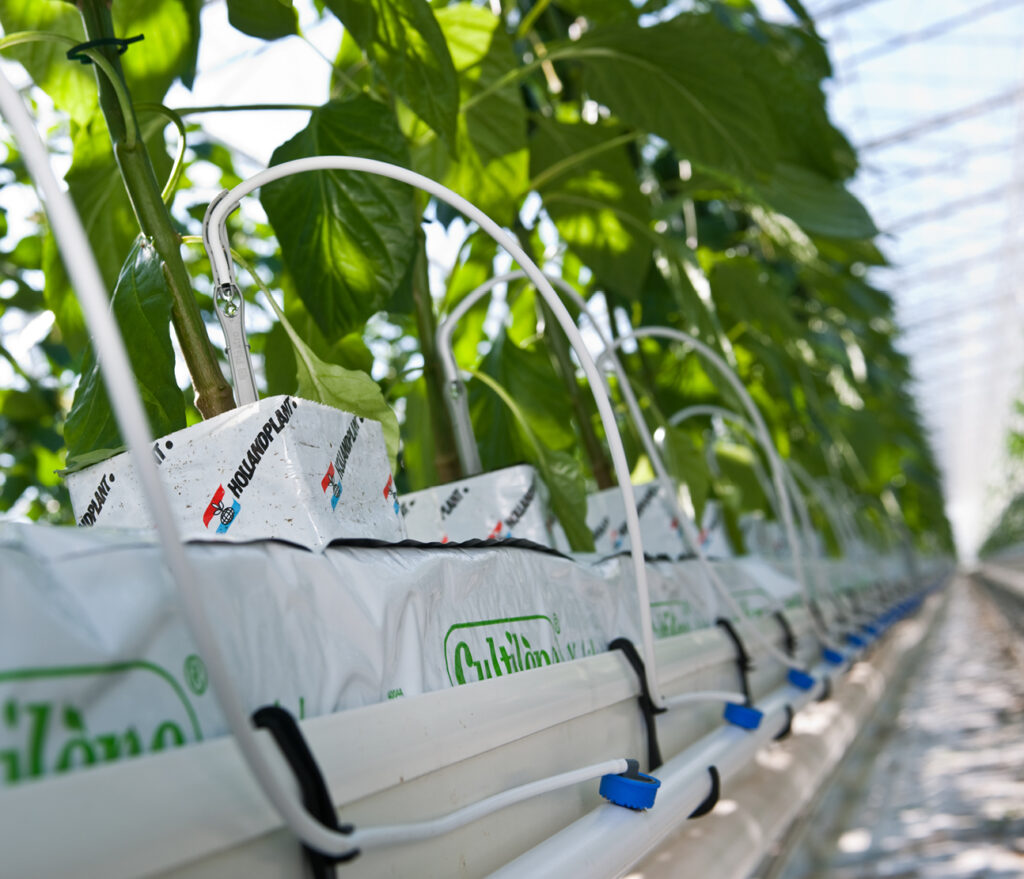
The intersection of agriculture and environmental sustainability is increasingly critical as the global population grows and climate change impacts intensify. Irrigation, a vital component of farming, plays a crucial role in ensuring crop resilience and productivity. However, traditional irrigation methods often lead to water wastage and environmental degradation. Innovative environmental irrigation solutions are essential for promoting greener farming practices. By adopting these modern irrigation strategies, farmers can optimize water use, enhance crop yield, and contribute positively to environmental sustainability.
Understanding Environmental Irrigation
Environmental irrigation focuses on minimizing the ecological footprint of farming activities while maximizing efficiency and productivity. This approach integrates sustainable water management practices with advanced technology to create systems that are both effective and eco-friendly.
Key Principles of Environmental Irrigation
- Water Conservation: Utilizing methods that reduce water consumption and promote efficient usage.
- Soil Health: Ensuring that irrigation practices do not degrade soil quality.
- Technology Integration: Implementing advanced technologies such as sensors and automated systems.
- Climate Adaptation: Designing irrigation systems that are resilient to changing climatic conditions.
Innovative Irrigation Techniques
Several modern irrigation techniques are making waves in sustainable agriculture. These methods not only conserve water but also enhance crop productivity and soil health.
Discover expert strategies here.
Drip Irrigation
Drip irrigation is a highly efficient method that delivers water directly to the plant roots through a system of tubes, valves, and emitters. This targeted approach reduces evaporation and runoff, ensuring that plants receive the precise amount of water needed.
Smart Irrigation Systems
Smart irrigation systems use technology such as sensors and weather data to optimize watering schedules. These systems adjust water delivery based on soil moisture levels and weather forecasts, significantly reducing water waste.
Learn about our tailored solutions.
Rainwater Harvesting
Harvesting rainwater for irrigation purposes provides a sustainable water source that reduces reliance on groundwater and other external sources. This method is particularly beneficial in regions with seasonal rainfall.
Benefits of Adopting Environmental Irrigation Solutions
The transition to environmentally-friendly irrigation methods offers numerous benefits to farmers and the environment.
- Reduced Water Use: Environmental irrigation systems can drastically cut down on water consumption, preserving essential water resources.
- Improved Crop Yields: By providing plants with optimal watering, these methods can lead to healthier and more productive crops.
- Enhanced Soil Quality: Sustainable irrigation techniques help maintain or improve soil structure and fertility.
- Resilience to Climate Change: Advanced irrigation solutions can better withstand the impacts of climate variability and extreme weather conditions.
Explore advanced guides and tips.
Future of Sustainable Irrigation
As technology continues to evolve, the future of sustainable irrigation looks promising. Innovations in areas such as artificial intelligence and machine learning are expected to further enhance the efficiency and impact of irrigation practices. By embracing these changes, agriculture can continue to feed a growing world population while preserving the planet’s vital ecosystems.
Find out more about this approach.