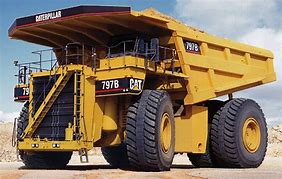
The mining industry is a critical component of the global economy, and mastering the use of mining equipment is essential for efficiency and safety. With advanced machinery and evolving technologies, proper training becomes indispensable. Expert training courses offer the knowledge and skills necessary to operate mining equipment effectively and safely, ensuring both productivity and compliance with industry standards. This article delves into the significance of these courses and how they can transform mining operations.
Understanding the Importance of Expert Training
In the fast-paced world of mining, staying updated with the latest equipment and techniques is crucial. Training courses provide comprehensive knowledge about the machinery, from basic operations to advanced functionalities. Here are some key reasons why expert training is vital:
- Enhances operational efficiency by understanding machine capabilities.
- Improves safety standards, reducing workplace accidents.
- Ensures compliance with industry regulations and standards.
- Increases productivity through skilled workforce training.
- Facilitates the adaptation to new technologies and innovations.
For those looking to delve deeper into these benefits, discover expert strategies here.
Components of Effective Training Courses
Effective training courses encompass a range of components designed to equip individuals with the necessary skills and knowledge. These components typically include:
Comprehensive Curriculum
A well-rounded curriculum covers all aspects of mining equipment, from basic operations to troubleshooting and maintenance. Training materials are often developed by industry experts, ensuring relevance and applicability.
Practical Hands-On Training
Theoretical knowledge is complemented by practical, hands-on experience. Participants learn to operate equipment in a controlled environment, allowing them to apply their skills in real-world scenarios.
Interactive Learning Techniques
Interactive methods, such as simulations and role-playing, enhance the learning experience. These techniques allow participants to engage with the material actively, leading to better retention and understanding.
To learn more about these tailored solutions, click here for details.
Benefits of Advanced Training and Certification
Achieving certification in mining equipment operation not only boosts individual credentials but also benefits the organization. Here are some advantages:
- Increased Employability: Certification demonstrates proficiency and commitment, making individuals more attractive to employers.
- Career Advancement: Certified professionals are often considered for higher roles and responsibilities within the company.
- Organizational Compliance: Certified employees help organizations maintain compliance with safety and operational standards.
For a detailed guide on how certification can impact your career, explore advanced guides and tips.
Choosing the Right Training Provider
Selecting the right training provider is crucial to ensure the quality of education and relevance to the mining industry. Consider the following factors:
- Reputation and Experience: Look for providers with a proven track record and industry recognition.
- Course Content: Ensure the curriculum is comprehensive and up-to-date with current industry practices.
- Accreditation: Verify that the provider offers accredited courses recognized by industry bodies.
- Support and Resources: Assess the availability of support services and learning resources for participants.
Find out more about this approach and how to select a reputable provider by visiting this link.
In conclusion, expert training courses are indispensable for mastering mining equipment operation. They offer comprehensive knowledge, practical experience, and valuable certification, all of which contribute to safer and more efficient mining operations. As the industry continues to evolve, staying informed and skilled through professional training is a strategic investment for both individuals and organizations.