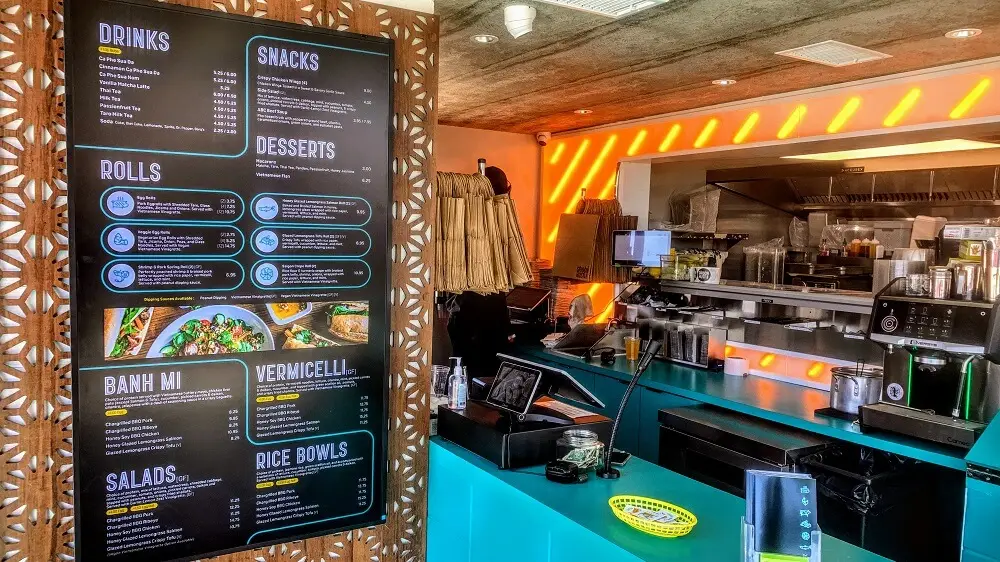
In today’s competitive hospitality landscape, restaurants are turning to digital signage to create dynamic, engaging experiences for diners. By replacing static menus and promotional posters with interactive screens, establishments can deliver real-time updates, personalize content, and streamline operations. This article explores the key components of restaurant digital signage solutions, the benefits they bring to customer engagement, and best practices for successful implementation.
Why Digital Signage Matters for Restaurants
Digital signage transforms the way guests interact with a venue. The technology offers several strategic advantages:
- Instant Content Updates: Menus, specials, and pricing can be altered instantly, reducing the risk of outdated information.
- Visual Appeal: High-resolution images and videos capture attention more effectively than printed materials.
- Personalization: Content can be tailored to time of day, weather, or specific audience segments.
- Operational Efficiency: Staff spend less time printing and replacing physical signage, allowing focus on service.
For a deeper dive into the impact of visual communication, Read more about this topic.
Core Components of a Digital Signage System
Hardware
- Commercial-grade displays (LED, LCD, or OLED) with appropriate brightness for ambient lighting conditions.
- Media players or thin clients that drive content to the screens.
- Mounting solutions and protective enclosures for safety and aesthetics.
Software
- Content Management System (CMS) that allows scheduling, templating, and remote updates.
- Integration capabilities with point-of-sale (POS) systems for real-time menu changes.
- Analytics dashboards to monitor viewer engagement and screen performance.
To explore technical specifications and selection criteria, Learn more in this detailed guide.
Enhancing Customer Engagement Through Content Strategy
Effective content is the heart of any digital signage deployment. Restaurants should consider the following tactics:
- Dynamic Menus: Highlight daily specials, seasonal items, and limited-time offers with vivid imagery.
- Storytelling: Share short videos about ingredient sourcing, chef introductions, or behind-the-scenes footage.
- Interactive Elements: Touchscreen kiosks for self-service ordering or QR codes linking to nutritional information.
- Cross-Promotion: Advertise upcoming events, loyalty programs, or partner collaborations.
For additional ideas on content planning, Explore further insights here.
Implementation Best Practices
Planning and Layout
- Conduct a site audit to determine optimal screen placement for visibility and foot traffic flow.
- Design a consistent visual language that aligns with the restaurant’s brand identity.
- Ensure compliance with local regulations regarding digital displays and accessibility.
Integration and Testing
- Connect the signage CMS with the POS to automate price and item updates.
- Run pilot tests during off-peak hours to troubleshoot latency or display issues.
- Gather staff feedback to refine content relevance and timing.
Maintenance and Optimization
- Schedule regular firmware updates and hardware inspections.
- Analyze view-through rates and adjust content based on performance metrics.
- Rotate creative assets frequently to prevent viewer fatigue.
Measuring Success
Quantifying the impact of digital signage helps justify investment and guides future enhancements. Key performance indicators (KPIs) include:
- Increase in average order value after displaying upsell prompts.
- Reduction in menu printing costs.
- Customer dwell time in front of screens, measured via foot-traffic sensors.
- Engagement rates for interactive features such as QR code scans.
Comprehensive data can be accessed through the CMS analytics module, enabling data-driven decisions for content optimization.
Future Trends in Restaurant Digital Signage
As technology evolves, several emerging trends are shaping the next generation of restaurant signage:
- AI-Powered Personalization: Machine learning algorithms recommend menu items based on past orders or demographic data.
- Augmented Reality (AR): Guests can visualize dishes in 3D before ordering.
- Voice-Activated Interfaces: Hands-free ordering through integrated smart speakers.
- Sustainability Features: Energy-efficient displays and cloud-based content reduce environmental impact.
For a forward-looking perspective on digital signage innovations, Find additional information here.
Conclusion
Implementing digital signage in a restaurant environment offers a powerful avenue for boosting customer engagement, operational efficiency, and brand consistency. By selecting appropriate hardware, leveraging a flexible CMS, and crafting compelling, data-driven content, establishments can create memorable dining experiences that adapt to real-time demands. Continuous measurement and adaptation ensure that the signage remains a dynamic asset, driving both guest satisfaction and business growth.