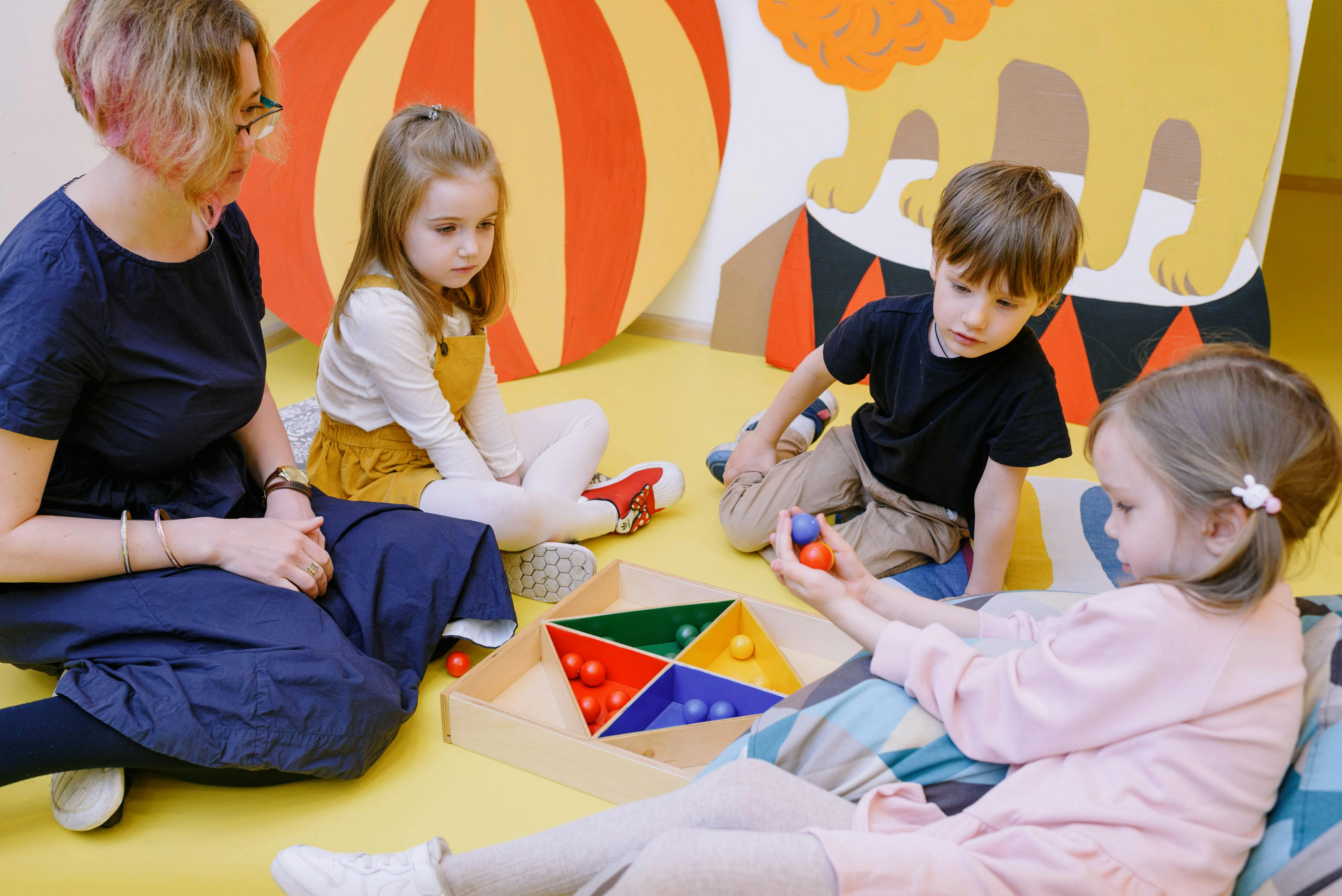
Middle school marks a pivotal transition period where adolescents seek greater autonomy while still needing structured guidance. Montessori education, traditionally associated with early childhood, offers principles that can be adapted to meet the developmental needs of early teenagers. By emphasizing self-directed learning, collaborative projects, and real-world relevance, Montessori approaches can keep middle school students engaged, motivated, and prepared for the challenges of higher education and beyond.
Core Montessori Principles for Adolescents
1. Prepared Environment
A thoughtfully arranged classroom supports independence and curiosity. For middle schoolers, this means:
- Accessible materials that span academic subjects, arts, and practical life skills.
- Flexible workstations that allow individual study, group collaboration, and quiet reflection.
- Clear labeling and organization to foster responsibility for personal learning spaces.
2. Self-Directed Learning
Adolescents thrive when they can choose topics that resonate with their interests. Teachers act as facilitators, guiding students to set goals, plan projects, and assess their progress. This autonomy builds critical thinking and time-management skills.
3. Mixed-Age Grouping
While traditional middle schools separate students by grade, Montessori classrooms often blend ages. This structure encourages peer teaching, mentorship, and a sense of community, allowing younger learners to model skills and older students to reinforce their knowledge.
Implementing Montessori Strategies in Middle School
Project-Based Learning
Long-term projects connect classroom concepts to real-world problems. Examples include:
- Designing a sustainable garden that integrates biology, mathematics, and environmental science.
- Developing a community service campaign that applies social studies, language arts, and digital media skills.
- Creating a prototype for a simple mechanical device, merging physics principles with hands-on engineering.
These interdisciplinary endeavors nurture collaboration, research proficiency, and presentation abilities.
Practical Life Skills
Incorporating everyday tasks, such as budgeting, cooking, or basic woodworking, helps adolescents see the relevance of academic concepts. Practical activities also promote independence and confidence.
Reflection and Self-Assessment
Regular reflective journals and portfolio reviews enable students to track growth, identify challenges, and celebrate achievements. This metacognitive practice aligns with Montessori’s emphasis on internal motivation.
Benefits of Montessori-Inspired Middle School Education
- Enhanced Engagement: Choice and relevance keep students invested in their learning.
- Improved Social Skills: Mixed-age collaboration fosters empathy, leadership, and conflict resolution.
- Deeper Understanding: Hands-on exploration and real-world application lead to lasting comprehension.
- Self-Regulation: Autonomy encourages students to develop discipline and intrinsic motivation.
Research indicates that environments which respect adolescents’ growing need for agency can reduce dropout rates and improve academic outcomes. Read more about this topic.
Challenges and Solutions
Balancing Structure and Freedom
Too much freedom may overwhelm some students, while excessive structure can stifle creativity. Teachers can provide scaffolding by offering clear timelines, rubrics, and regular check-ins.
Assessment Alignment
Standardized testing remains a reality. Montessori classrooms can integrate formative assessments, such as peer reviews and self-scoring checklists, while still preparing students for summative exams.
Teacher Training
Educators need professional development to shift from traditional lecturing to facilitation. Ongoing workshops, mentorship programs, and collaborative planning time are essential for successful implementation.
Resources for Further Exploration
For educators seeking concrete tools, lesson plans, and community support, numerous online repositories provide free Montessori-aligned materials suitable for middle school. Learn more in this detailed guide. Additionally, interdisciplinary project templates and assessment frameworks can be adapted to fit local curricula. Explore further insights here.
Conclusion
Adapting Montessori principles for middle school creates a learning environment where adolescents are empowered to take charge of their education, collaborate meaningfully, and apply knowledge beyond the classroom. By fostering independence, curiosity, and real-world relevance, schools can nurture engaged, resilient learners ready for the complexities of the modern world. Find additional information here.