Doppler for Pregnancy: Safe Monitoring Tips for Expectant Mothers
Pregnancy can be a time of great excitement and anticipation, but it can also be a time of worry and anxiety. One of the most common concerns for expectant mothers is the health and well-being of their baby. Regular prenatal check-ups and ultrasounds are essential for monitoring fetal development, but there are also other tools that can provide valuable insights into fetal health. One such tool is the Doppler, a device that uses sound waves to monitor fetal heart rate and movement.
Understanding the Doppler
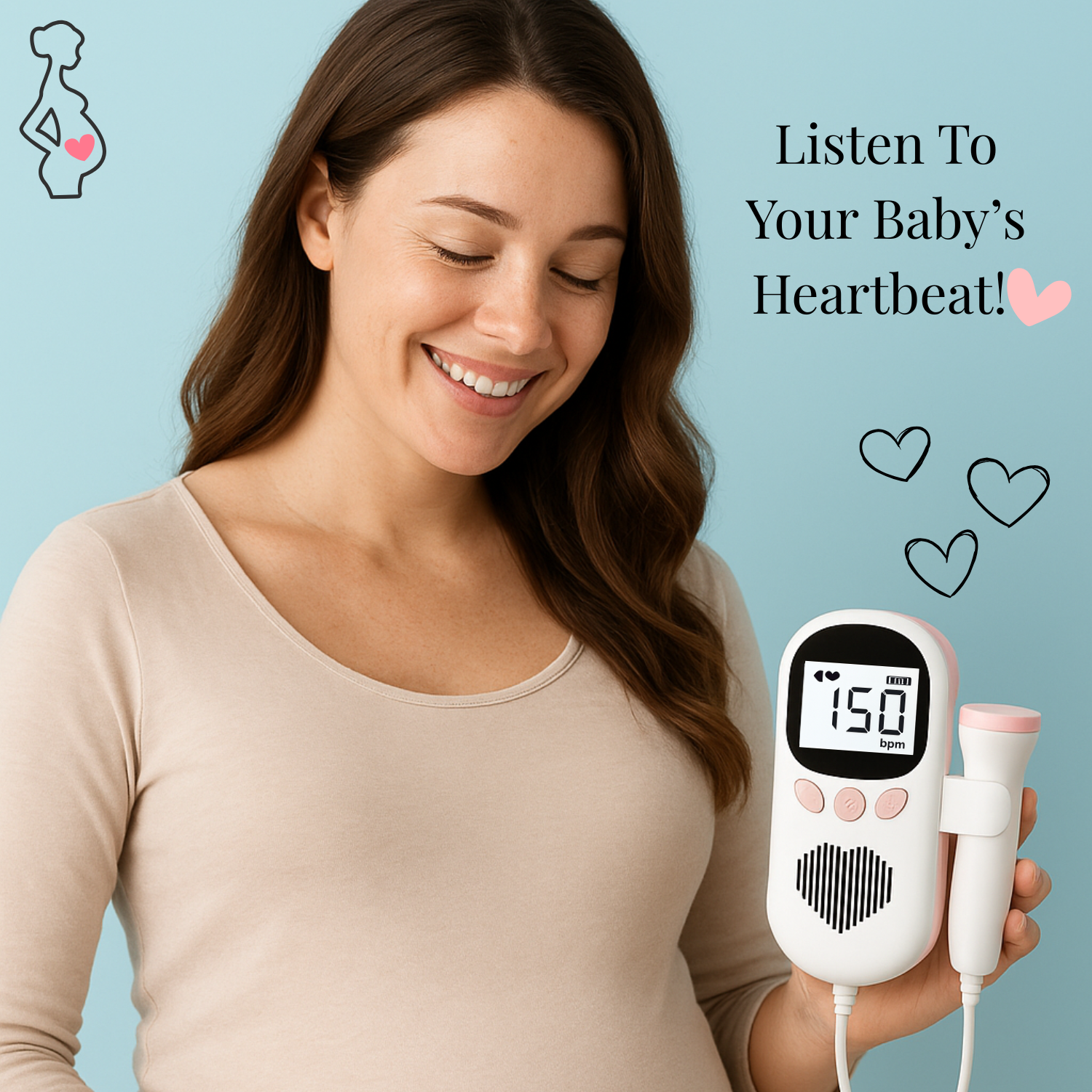
A Doppler is a handheld device that uses sound waves to detect the movement of the fetus and its heartbeat. It works by emitting a high-frequency sound wave that bounces off the fetus, creating a signal that is then displayed on a screen. The Doppler is a non-invasive and pain-free way to monitor fetal health, making it an attractive option for expectant mothers who are looking for a more comfortable and convenient way to track their baby’s development.
Benefits of Using a Doppler
Using a Doppler can have several benefits for expectant mothers. For one, it allows them to monitor their baby’s heart rate and movement from the comfort of their own home. This can be especially useful for women who are experiencing high-risk pregnancies or who have a history of complications. Additionally, the Doppler can help women to identify any potential issues early on, allowing them to take action and seek medical attention if necessary.
Safe Monitoring Tips for Expectant Mothers
While the Doppler is a valuable tool for monitoring fetal health, it’s essential to use it safely and correctly. Here are some tips for expectant mothers to keep in mind:
- Always follow the manufacturer’s instructions for use and maintenance.
- Make sure to clean and disinfect the Doppler regularly to prevent the spread of infection.
- Use the Doppler in a quiet and distraction-free environment to get the most accurate readings.
- Keep the Doppler away from other electronic devices to prevent interference.
When to Use the Doppler
The Doppler can be used at any time during pregnancy, but it’s most commonly used between 24 and 40 weeks. During this time, the fetus is most active and the Doppler can provide valuable insights into its movement and development. However, it’s essential to consult with a healthcare provider before using the Doppler, especially if you have any underlying medical conditions or concerns.
Advanced Guides and Tips
For more information on using the Doppler safely and effectively, expectant mothers can turn to online resources such as Discover expert strategies here. These resources can provide valuable insights and tips on how to use the Doppler, as well as how to interpret the readings and identify any potential issues.
Conclusion
In conclusion, the Doppler is a valuable tool for expectant mothers who are looking for a safe and effective way to monitor their baby’s health. By following the tips and guidelines outlined above, women can use the Doppler with confidence and peace of mind. Remember to always consult with a healthcare provider before using the Doppler, and to explore online resources such as Learn about our tailored solutions for more information on how to use the Doppler safely and effectively.