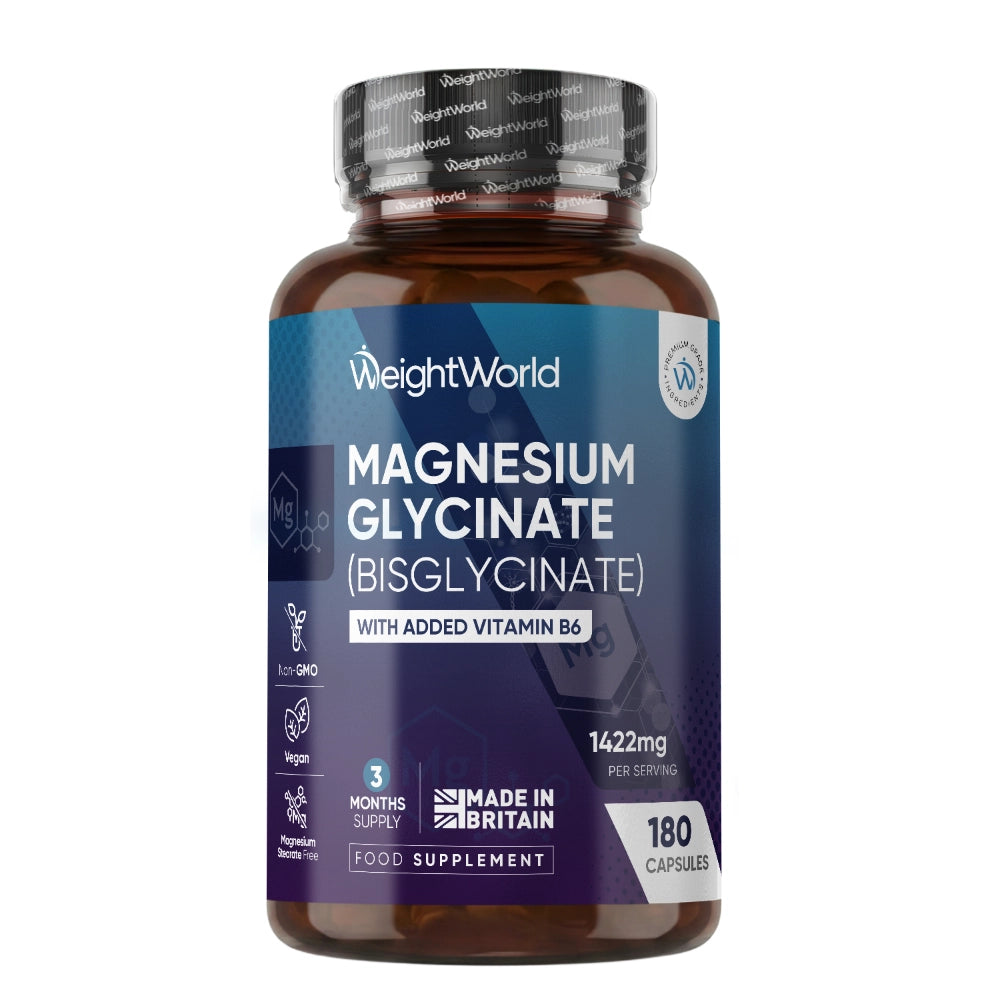
Magnesium glycinate capsules have become a cornerstone for those seeking a balanced approach to daily wellness, offering a highly absorbable form of magnesium that supports muscle function, nervous system health, and overall metabolic stability. Selecting the right product, however, requires more than a glance at the label; it involves understanding the nuances of formulation, dosage, purity, and third-party testing. This guide walks through the critical factors to consider, helping you make an informed decision that aligns with personal health goals and lifestyle demands.
Understanding Magnesium Glycinate
Magnesium glycinate is a chelated compound where magnesium is bound to the amino acid glycine. This structure enhances bioavailability, meaning the body can absorb and utilize a larger percentage of the mineral compared to other forms such as oxide or citrate. The gentle nature of glycinate also reduces the likelihood of gastrointestinal discomfort, a common issue with some magnesium supplements.
Key Benefits
- Improved Muscle Relaxation: Supports normal muscle contraction and helps prevent cramps.
- Nervous System Support: Aids in neurotransmitter regulation, promoting calmness and better sleep quality.
- Bone Health: Works synergistically with calcium and vitamin D to maintain bone density.
- Cardiovascular Function: Helps maintain healthy blood pressure and heart rhythm.
Critical Selection Criteria
When evaluating magnesium glycinate capsules, focus on the following attributes to ensure optimal efficacy and safety.
1. Dosage Accuracy
- Check the milligram (mg) amount of elemental magnesium per capsule.
- Typical daily dosages range from 200″?mg to 400″?mg; adjust based on dietary intake and health objectives.
- Look for products that provide clear labeling of both total magnesium and the glycinate form.
2. Purity and Additive Profile
- Prefer formulations free from unnecessary fillers, artificial colors, or synthetic binders.
- Non-GMO, gluten-free, and vegan-friendly certifications add an extra layer of confidence.
- Check for allergens if you have sensitivities (e.g., soy, dairy, soy lecithin).
3. Manufacturing Standards
- Products manufactured in GMP-certified facilities adhere to stringent quality controls.
- Third-party testing for heavy metals, microbial contamination, and potency guarantees label accuracy.
- Look for a batch-specific certificate of analysis (COA) when available.
4. Capsule Design
- Vegetable-based (cellulose) capsules are ideal for those avoiding gelatin.
- Coated capsules can improve swallowability and protect the contents from moisture.
How to Incorporate Magnesium Glycinate Into Your Routine
Effective supplementation hinges on timing, consistency, and synergy with other nutrients.
Timing
- Take with a meal to enhance absorption, especially if the capsule contains a small amount of fat.
- Evening dosing may support relaxation and sleep, given magnesium’s calming effect on the nervous system.
Synergistic Nutrients
- Vitamin B6: Facilitates magnesium transport into cells.
- Zinc: Works alongside magnesium for immune support.
- Pairing with a balanced multivitamin can streamline daily intake.
Common Questions and Evidence-Based Answers
Is magnesium glycinate safe for long-term use?
Yes, when taken within recommended daily limits (generally up to 350″?mg of elemental magnesium for adults). Excessive intake can lead to diarrhea or electrolyte imbalance, so monitoring dosage is essential.
Can magnesium glycinate replace prescription medications?
Magnesium supplementation supports overall health but should not replace prescribed treatments for conditions such as hypertension or arrhythmias. Always consult a healthcare professional before making changes.
What distinguishes high-quality capsules from generic options?
High-quality products prioritize bioavailability, transparent sourcing, and rigorous testing. Generic brands may cut costs by using lower-grade magnesium salts, adding unnecessary fillers, or lacking third-party verification.
Final Checklist Before Purchase
Use this quick reference to verify that a product meets the standards discussed.
- Clear label stating elemental magnesium per capsule (200″?mg-400″?mg).
- Glycinate chelate specified as the magnesium source.
- Free from artificial additives, allergens, and unnecessary fillers.
- Manufactured in a GMP-certified facility with third-party testing results available.
- Vegetable-based capsule if avoiding animal products.
- Positive customer reviews highlighting consistent potency and gentle digestion.
Choosing the right magnesium glycinate capsules is an investment in foundational health. By focusing on dosage precision, purity, manufacturing integrity, and supportive nutrients, you can confidently select a supplement that aligns with wellness goals and delivers the benefits magnesium is renowned for. For a curated selection that meets these criteria, explore reputable sources that provide detailed product information and transparent testing data.