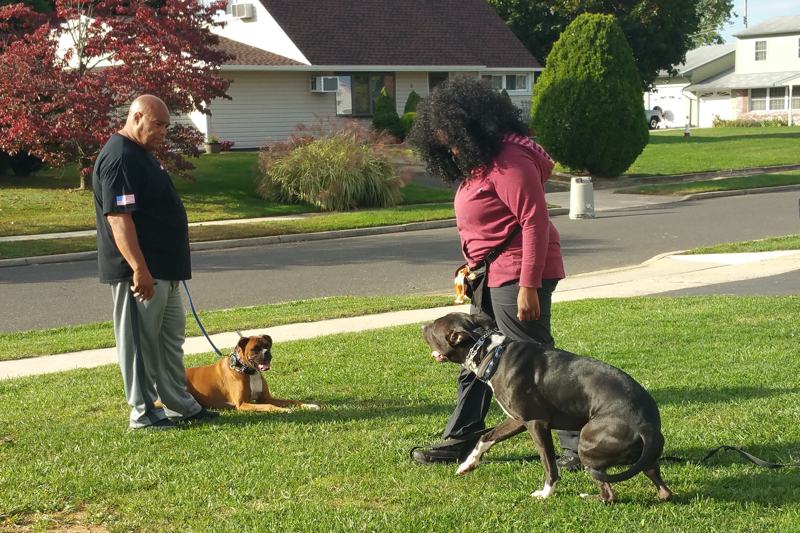
Dealing with aggressive behavior in dogs can be both challenging and distressing for pet owners. Understanding the root causes of aggression and implementing effective behavior modification techniques is crucial for transforming aggressive dogs into well-behaved companions. This article delves into the essential aspects of behavior modification for aggressive dogs, offering insights and strategies that can aid in addressing this complex issue.
Understanding Canine Aggression
Aggression in dogs can manifest due to a variety of reasons, including fear, territorial instincts, or a lack of socialization. Identifying the underlying cause of aggression is the first step in the modification process. Some common triggers for aggressive behavior include:
- Fear or anxiety
- Protectiveness over territory or possessions
- Lack of proper socialization during critical development stages
- Past traumatic experiences
By recognizing these triggers, tailored strategies can be designed to address the specific needs of each dog. Discover expert strategies here.
Implementing Behavior Modification Techniques
Positive Reinforcement
Positive reinforcement is a cornerstone of behavior modification. Rewarding desired behaviors encourages dogs to repeat those actions, gradually reducing instances of aggression. This approach can involve:
- Using treats, toys, or praise to reward calm behavior
- Consistently rewarding non-aggressive interactions with people and other animals
- Gradually increasing exposure to triggers in a controlled environment
Learn about our tailored solutions here to effectively incorporate positive reinforcement techniques.
Desensitization and Counterconditioning
Desensitization involves exposing the dog to the source of its aggression at a lower intensity and gradually increasing exposure over time. When paired with counterconditioning, this approach can transform negative associations into positive ones. Key steps include:
- Identifying the specific trigger for the aggression
- Starting with a low-level exposure to the trigger
- Rewarding the dog for remaining calm during exposure
- Gradually increasing the intensity or proximity of the trigger
Explore advanced guides and tips on desensitization and counterconditioning here.
Professional Guidance and Support
While many dog owners can implement basic behavior modification techniques, professional guidance is often beneficial, especially in cases of severe aggression. Certified dog trainers and behaviorists use their expertise to design customized training plans. They can provide:
- Comprehensive assessments of the dog’s behavior
- Individualized training programs tailored to the dog’s specific needs
- Continuous support and adjustments to training strategies as needed
Find out more about this approach and how professionals can assist in transforming aggressive behavior here.
Consistency and Patience in Behavior Modification
Consistency and patience are key components in the success of behavior modification. Owners must be committed to following through with training plans and maintaining a calm and assertive demeanor. Important aspects include:
- Regular training sessions to reinforce desired behaviors
- Patience in observing gradual improvements over time
- Consistency in commands and responses to aggressive behavior
For those seeking a transformation in their dog’s behavior, understanding and dedication to the process is essential. Explore advanced guides and tips to aid in this journey here.
In conclusion, transforming aggressive dogs through behavior modification requires a multifaceted approach tailored to the individual needs of each dog. By understanding the underlying causes of aggression and implementing effective strategies, owners can foster a more harmonious relationship with their canine companions. Consistent training, professional guidance, and a commitment to positive reinforcement are fundamental to achieving lasting behavioral change.