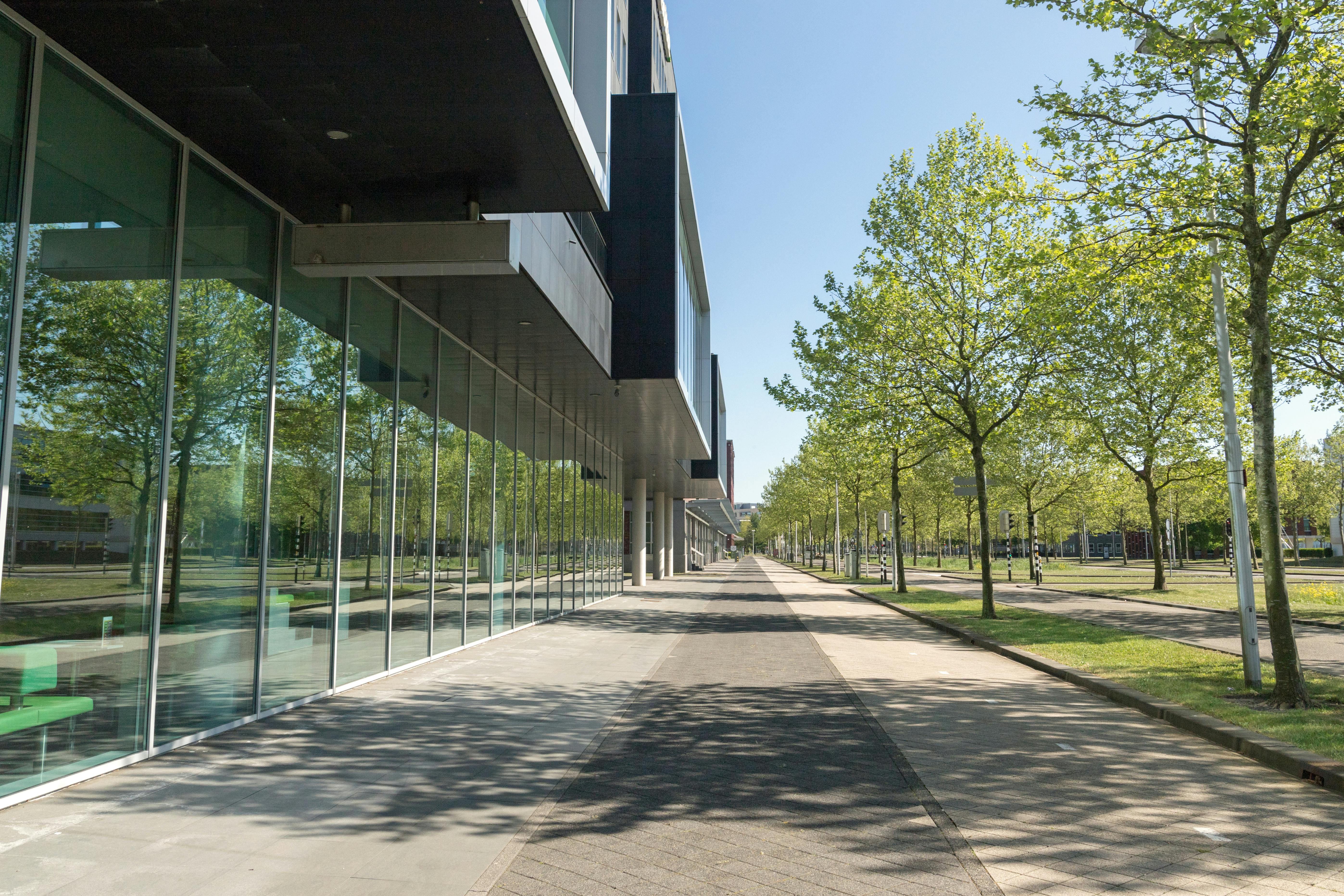
As the world moves towards a more sustainable future, the construction industry is at the forefront of adopting environmentally friendly practices. A key component of this movement is the creation of healthy indoor environments within sustainable buildings. These environments prioritize the well-being of occupants by ensuring air quality, natural lighting, and the use of non-toxic materials. The integration of these factors not only promotes health but also enhances overall productivity and comfort. In this article, we delve into the strategies for creating healthy indoor environments in sustainable buildings, emphasizing the importance of design, materials, and technology.
Understanding the Importance of Indoor Air Quality
Indoor air quality (IAQ) plays a pivotal role in the health of building occupants. Poor IAQ can lead to health issues such as allergies, respiratory problems, and headaches. To ensure optimal air quality, sustainable buildings incorporate various strategies:
- Use of ventilation systems that provide a constant supply of fresh air.
- Implementation of air filtration systems to remove pollutants and allergens.
- Selection of construction materials that emit low levels of volatile organic compounds (VOCs).
For more detailed insights on improving indoor air quality, explore advanced guides and tips.
Harnessing Natural Light for Health and Efficiency
Natural lighting is a crucial element in sustainable building design. It not only reduces the need for artificial lighting but also positively impacts the mental and physical health of occupants. Strategies to maximize natural light include:
- Designing buildings with large windows and skylights.
- Orienting buildings to take full advantage of natural sunlight.
- Using reflective surfaces to enhance light distribution.
To understand how to effectively incorporate natural lighting, discover expert strategies here.
Choosing Sustainable and Non-Toxic Materials
The materials used in construction significantly affect indoor environmental quality. Sustainable buildings prioritize the use of materials that are both eco-friendly and non-toxic. Key considerations include:
- Utilizing recycled or reclaimed materials to reduce environmental impact.
- Selecting paints, adhesives, and finishes with low VOC emissions.
- Incorporating natural materials, such as wood and stone, that have minimal chemical treatments.
For a comprehensive list of sustainable materials and their benefits, find out more about this approach.
Integrating Smart Technology for Enhanced Indoor Environments
Smart technology is transforming the way indoor environments are managed and maintained. By integrating advanced systems, sustainable buildings can optimize energy use while ensuring a healthy indoor environment. Key technologies include:
- Smart thermostats that adjust heating and cooling based on occupancy and weather conditions.
- Automated lighting systems that respond to natural light levels and occupancy.
- Indoor air quality monitors that provide real-time data and alerts.
To learn more about how technology is shaping sustainable indoor environments, learn about our tailored solutions.
Conclusion
Creating healthy indoor environments in sustainable buildings is a multifaceted process that requires careful consideration of air quality, natural lighting, materials, and technology. By prioritizing these elements, builders and designers can ensure that occupants enjoy a healthier, more comfortable, and productive living or working space. As the demand for sustainable buildings grows, understanding and implementing these strategies will become increasingly essential. For more information and guidance on building sustainable indoor environments, explore advanced guides and tips.