Hormone therapy has become a cornerstone in medical treatments for various conditions, including menopause, osteoporosis, and certain cancers. Selective Estrogen Receptor Modulators (SERMs) are a class of drugs frequently used in hormone therapy. These drugs play a critical role in modulating estrogen receptors, providing tailored solutions for individual patient needs. In this article, the focus will be on exploring the top SERMs used in hormone therapy, their applications, and where to find comprehensive resources for further understanding.
Understanding SERMs in Hormone Therapy
SERMs are a group of compounds that act on the estrogen receptor, with the ability to either block or activate estrogen-like action in different tissues. Their unique ability allows them to offer targeted treatment options, which is particularly beneficial in hormone therapy.
Key Benefits of SERMs
- Selective action on estrogen receptors, minimizing unwanted side effects.
- Effective in managing symptoms of menopause, such as hot flashes and bone density loss.
- Used in reducing the risk of breast cancer in high-risk women.
- Potential benefits in cardiovascular health by modulating lipid profiles.
Top SERMs for Hormone Therapy
Many SERMs are available, each with its specific uses and benefits. Here is a look at some of the most commonly used SERMs in hormone therapy:
1. Tamoxifen
Tamoxifen is perhaps the most well-known SERM, primarily used in the treatment of breast cancer. It works by binding to estrogen receptors, blocking the effects of estrogen in breast tissue. For more detailed insights into its applications and benefits, discover expert strategies here.
2. Raloxifene
Primarily used for the prevention and treatment of osteoporosis in postmenopausal women, Raloxifene helps increase bone density and reduce fracture risk. It also has the added benefit of reducing the risk of invasive breast cancer. Find out more about this approach and how it might fit into a comprehensive treatment plan.
3. Clomiphene
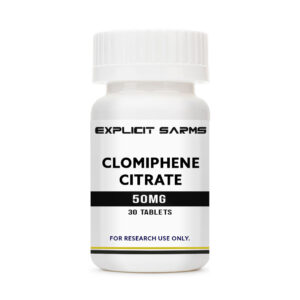
This SERM is particularly useful in treating infertility in women. It stimulates ovulation by blocking estrogen receptors in the hypothalamus, which increases the release of follicle-stimulating hormone. Explore advanced guides and tips to understand how Clomiphene may be used effectively in fertility treatments.
Application of SERMs in Clinical Practice
In clinical settings, the choice of SERM is guided by the specific needs of the patient and the condition being treated. Healthcare providers consider various factors, including the patient’s age, health status, and risk factors, to tailor hormone therapy effectively.
Considerations in SERM Therapy
- Patient”?s risk profile for conditions like breast cancer or osteoporosis.
- Potential side effects and how they align with the patient”?s tolerance.
- Long-term impacts and benefits of SERM use in chronic conditions.
Comprehensive resources and expert opinions can be invaluable in understanding the nuances of SERM therapy. Learn about our tailored solutions to effectively integrate SERMs into hormone therapy regimens.
Conclusion
SERMs represent a vital component in the landscape of hormone therapy, providing specialized treatment options across various conditions. Understanding their applications and benefits can significantly enhance therapeutic outcomes. For more in-depth information and resources, consider exploring specialized collections and guides available to support informed decisions in hormone therapy.