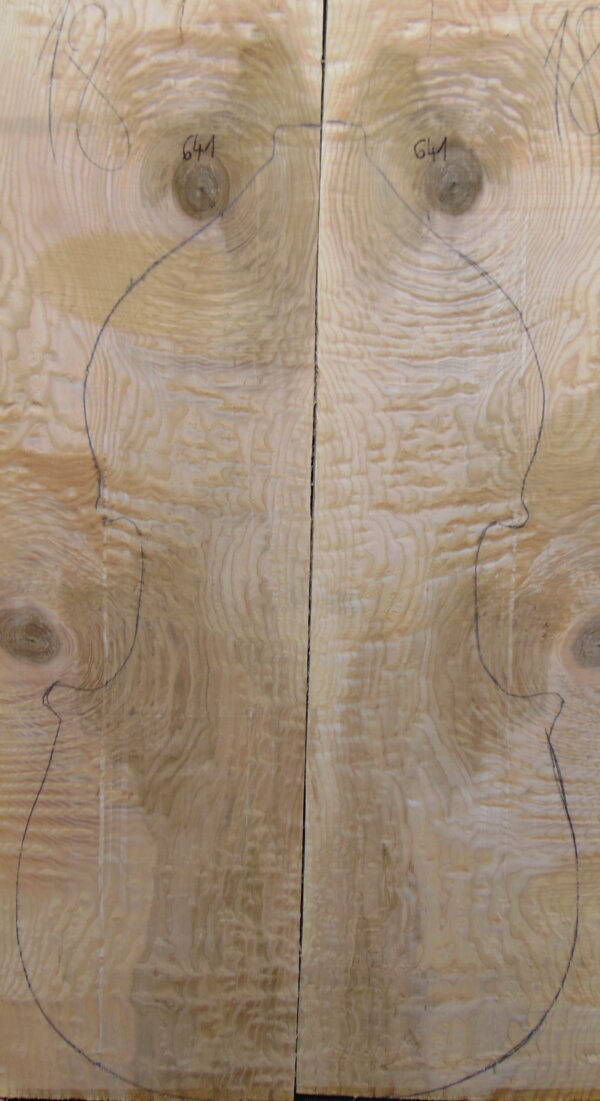
The enchanting sound of a violin is deeply intertwined with the quality and type of wood used in its construction. The selection of violin wood greatly influences the instrument’s tone and resonance. Among the various types of wood used, spruce and maple stand out as the most popular. These tonewoods have been cherished for centuries, shaping the sound of violins, violas, cellos, and double basses alike. This article delves into the beauty and characteristics of spruce and maple tonewood, offering insights into their unique qualities.
The Role of Spruce in Violin Making
Characteristics of Spruce
Spruce is renowned for its strength-to-weight ratio, making it an ideal material for the spruce top of a violin. Its straight grain and elasticity contribute to the vibrant soundboard that amplifies and resonates sound effectively.
- Lightweight yet strong
- High elasticity
- Straight grain pattern
- Excellent resonating qualities
Types of Spruce Used in Violins
Several varieties of spruce are used in crafting violins, each offering distinct acoustic properties:
- European spruce: Known for its creamy color and fine grain, it is a favorite among luthiers for its superior tonal qualities.
- Violin spruce: This term often refers to spruce specifically selected for its acoustic properties in violin making.
- Cello spruce: Selected for larger instruments like the cello, this wood maintains the balance between strength and resonance.
The Beauty of Maple in Violin Construction
Understanding Maple Tonewood
Maple is celebrated for its aesthetic appeal and acoustic properties, primarily used for the back of violin, ribs, and neck. Its density and stiffness complement spruce, adding depth and strength to the instrument’s body.
- Dense and durable
- Beautifully figured patterns, such as curly maple tonewood and flamed maple tonewood
- Enhances the instrument”?s aesthetic and acoustic richness
Varieties of Maple Used in Violins
Maple’s diversity allows for a range of options, each contributing uniquely to the instrument’s character:
- Violin maple: Selected for its visual elegance and structural integrity.
- European maple tonewood: Known for its fine texture and beautiful figure, often used in high-end instruments.
- Cello maple: Provides the robust and warm tones necessary for larger string instruments.
Choosing the Right Tonewood for Your Instrument
When selecting violin tonewood, several factors need consideration to ensure the highest quality sound and durability:
- Grain Pattern: Look for straight and even grains in spruce and beautifully figured patterns in maple.
- Source: Consider the geographical origin, as it can influence the tonal properties, such as with European spruce and European maple tonewood.
- Aesthetic Appeal: The visual beauty of the wood, especially in the violin back plate and sides, adds to the instrument”?s allure.
The Art of Crafting with Tonewood
The meticulous selection and crafting of violin wood material is an art form in itself. Expert luthiers blend traditional techniques with modern insights to bring out the best in these exquisite materials. Whether it’s the rich resonance of a spruce tonewood top or the striking allure of a flamed maple tonewood back, each piece of wood plays a critical role in the final sound and appearance of the instrument.
Understanding the unique qualities of spruce and maple tonewoods not only enhances appreciation for these beautiful materials but also informs better choices for musicians and craftspeople alike. The harmony of these elements results in the creation of instruments that are not only visually stunning but also capable of producing the most enchanting music.