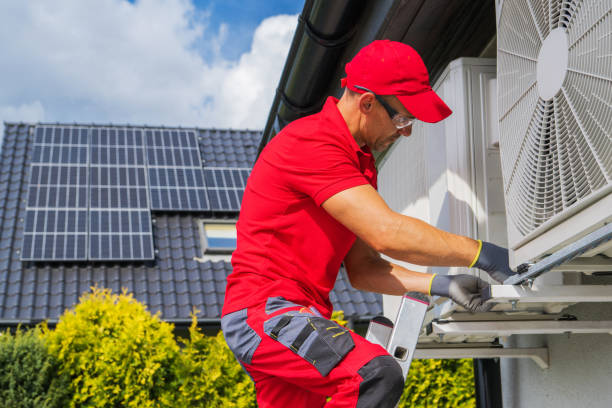
Installing a residential HVAC system can be a daunting task for homeowners. Understanding the intricacies involved in selecting, planning, and executing an HVAC installation is crucial for ensuring a comfortable and energy-efficient living environment. This article aims to demystify the process, providing clear insights into each step necessary for a successful installation. By grasping the fundamentals and considerations involved, homeowners can make informed decisions that optimize the performance and longevity of their systems.
Understanding the Basics of HVAC Systems
An HVAC system regulates the indoor climate by controlling temperature, humidity, and air quality. It is essential to understand the components and functions of the system before diving into the installation process.
- Heating: Typically involves furnaces or heat pumps to provide warmth.
- Ventilation: Ensures proper air circulation and maintains indoor air quality.
- Air Conditioning: Keeps indoor spaces cool during warmer months.
Key Considerations Before Installation
Prior to initiating a residential HVAC system installation, several factors must be considered to ensure the system meets the specific needs of the home.
Assessing Home Requirements
Conduct a thorough assessment of the home to determine the appropriate size and type of HVAC system. Considerations include:
- Square footage and layout of the home
- Insulation levels and window efficiency
- Local climate and seasonal temperature variations
Selecting the Right Equipment
Choosing the right equipment is crucial for achieving optimal performance and energy efficiency. When selecting equipment, consider:
- Energy efficiency ratings (SEER for cooling, AFUE for heating)
- Compatibility with existing ductwork and infrastructure
- Advanced features such as smart thermostats and multi-zone controls
Installation Process Steps
The installation process involves several key steps that must be executed with precision to ensure the system operates effectively.
Professional Assessment and Planning
Engage a professional to conduct a detailed assessment and develop a comprehensive installation plan. This includes:
- Evaluating existing ductwork and determining necessary modifications
- Outlining the placement of components for optimal performance
- Calculating load requirements to ensure system efficiency
Executing the Installation
The installation phase requires skilled technicians to implement the plan, ensuring each component is installed correctly. Key steps include:
- Installing the indoor and outdoor units as per specifications
- Connecting electrical and gas lines safely
- Testing the system to ensure all components function correctly
Post-Installation Considerations
After installation, maintaining the HVAC system is essential for durability and efficiency. Homeowners should:
- Schedule regular maintenance checks with a professional technician
- Replace air filters regularly to maintain air quality
- Monitor energy consumption to identify any potential inefficiencies
By understanding and following the outlined steps, homeowners can simplify the residential HVAC system installation process. This ensures not only a comfortable living environment but also an investment in the home’s long-term energy efficiency and air quality. Proper planning and professional execution are key to achieving these benefits.