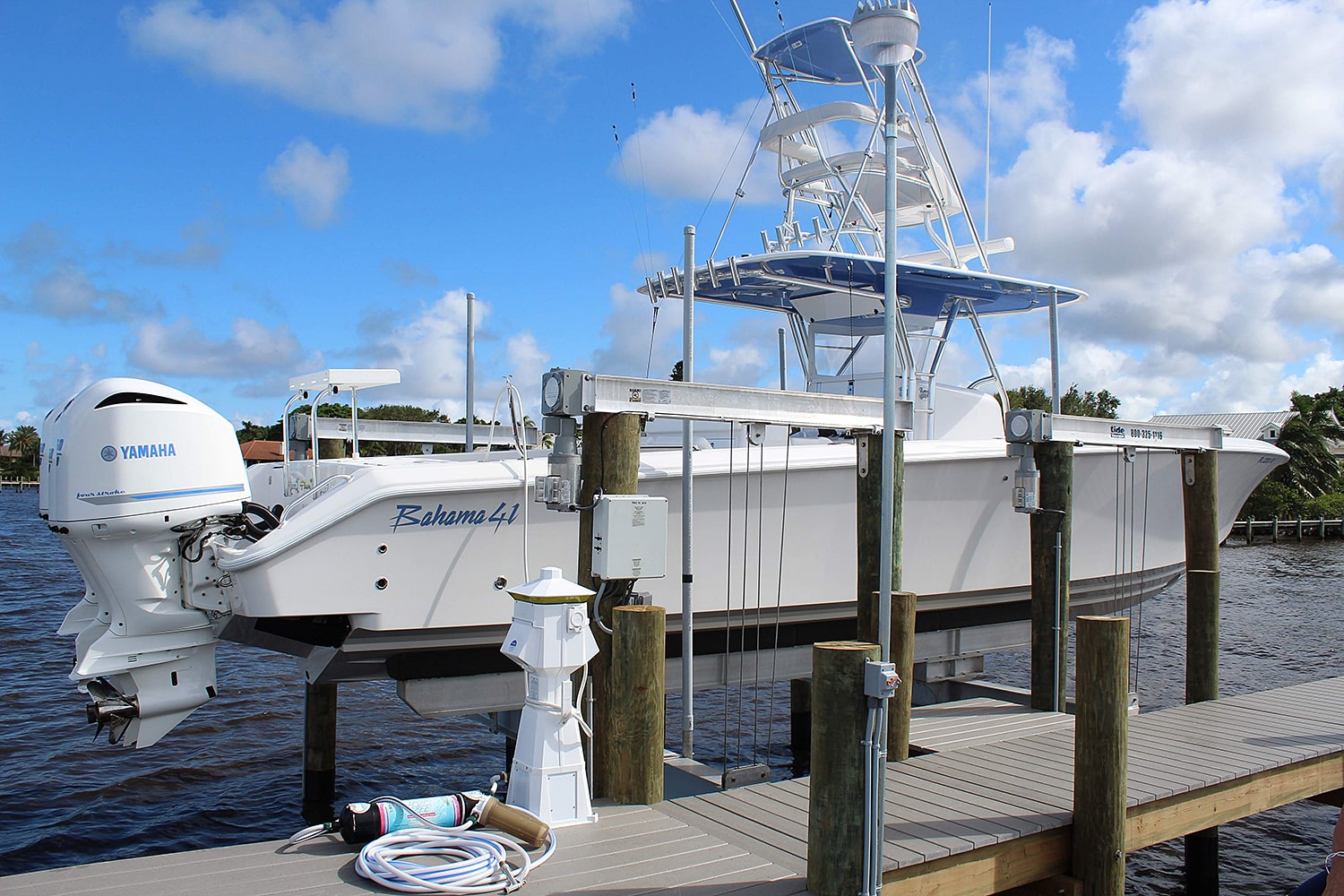
In the realm of marine activities, ensuring the safety and protection of your vessel is paramount. An efficient boat lift installation is critical to achieving this goal, as it safeguards the boat from both water and environmental wear. A well-installed boat lift not only prolongs the life of the vessel but also enhances the boating experience by ensuring hassle-free launching and docking. This article delves into the essential aspects of boat lift installation, providing insights into best practices and considerations for smooth sailing.
Understanding the Basics of Boat Lift Installation
Key Components
- Cradle: Supports the boat and distributes its weight evenly.
- Lift Motor: Powers the lifting mechanism, crucial for efficiency.
- Cables and Pulleys: Ensure smooth operation and stability of the lift.
- Guides and Bunks: Assist in proper alignment and support of the boat.
Types of Boat Lifts
Choosing the right type of boat lift is vital. Options include:
- Freestanding Lifts: Ideal for varied water levels and easy to relocate.
- Pile-Mounted Lifts: Provide stability in areas with frequent tidal changes.
- Floating Lifts: Suitable for deep water and fluctuating water levels.
Steps to a Successful Boat Lift Installation
Planning and Permitting
A successful boat lift installation begins with comprehensive planning and obtaining necessary permits. Considerations include:
- Analyzing water depth and tide variations.
- Assessing the type of boat and its dimensions.
- Evaluating environmental factors such as wind and current conditions.
- Compliance with local zoning laws and regulations.
Professional Installation
Engaging experienced professionals ensures that the installation meets safety standards and functions optimally. This involves:
- Accurate alignment and positioning of the lift.
- Proper anchoring to prevent shifting or instability.
- Calibration of the motor and lifting mechanism for efficient operation.
Maintenance for Longevity
Once the lift is installed, regular boat lift maintenance is crucial for its longevity. Key maintenance practices include:
- Regular inspection of cables, pulleys, and motor.
- Cleaning and lubricating moving parts to prevent corrosion.
- Checking alignment and making necessary adjustments.
- Scheduling periodic professional boat lift service for comprehensive assessments.
Troubleshooting Common Issues
Despite meticulous installation, issues may arise. Understanding common problems and their solutions aids in efficient boat lift repair:
- Motor Malfunctions: Often caused by electrical issues or lack of lubrication.
- Cable Wear: Regular inspection can prevent this issue, ensuring cables are replaced when frayed.
- Alignment Problems: Misalignment can lead to uneven weight distribution, requiring adjustment.
Conclusion
Efficient boat lift installation is a cornerstone of preserving the integrity and value of a marine vessel. By understanding the essentials, engaging professional services, and committing to regular maintenance, boat owners can ensure that their vessels are always ready for smooth sailing. Whether it’s planning for installation or addressing repair needs, the right approach can make all the difference in enhancing the boating experience.