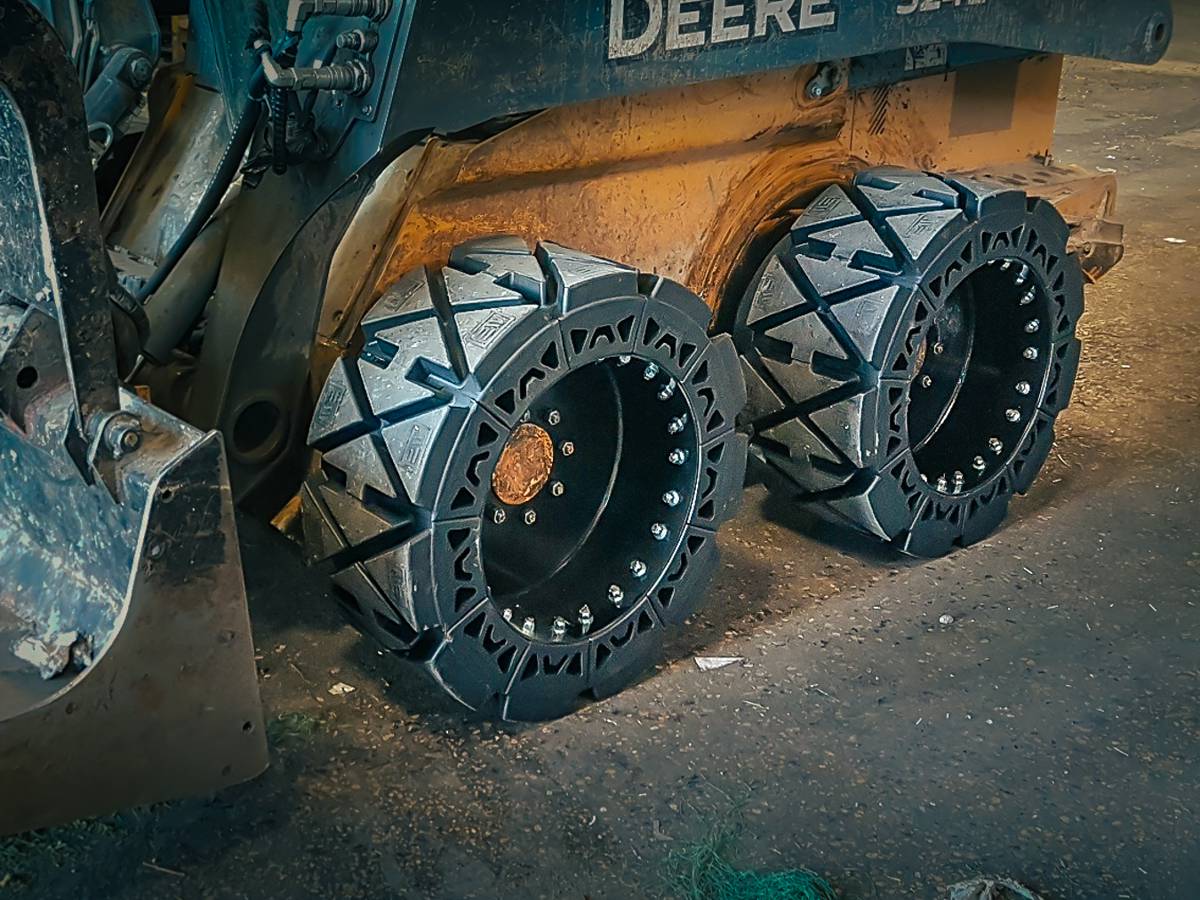
When it comes to optimizing the performance of skid steer loaders, selecting the right tire is crucial. The 10×16.5 size skid steer tire is one of the most popular choices among operators for its ideal balance between size and performance. These tires are essential for ensuring operational efficiency in various terrains and conditions. As such, understanding the different options available in the market can help in making an informed decision that aligns with specific operational needs.
Understanding 10×16.5 Skid Steer Tires
The 10×16.5 skid steer tires are designed to support heavy machinery while providing optimal traction and durability. These tires are commonly used in construction, landscaping, and agricultural applications, where robust performance is required. Here are some key factors to consider when exploring tire options:
- Load Capacity: The ability of a tire to handle weight is crucial. Selecting a tire with a higher load capacity ensures safety and efficiency.
- Tread Pattern: The tread design impacts traction. Different patterns are suitable for specific terrains ? whether muddy, rocky, or paved.
- Durability: Consider the tire’s resistance to punctures and wear, which influences longevity and maintenance costs.
- Price: While cost is an essential factor, it should be balanced with quality and performance.
For more insights on choosing the right tires, find additional information here.
Types of 10×16.5 Skid Steer Tires
Pneumatic Tires
Pneumatic tires are air-filled and are known for providing a smoother ride. They are effective in reducing machine vibrations, which can enhance operator comfort. However, they are more susceptible to punctures, making them less ideal for extremely rugged terrains. Learn more about the advantages and considerations of pneumatic tires by exploring further insights here.
Solid Tires
Solid tires, as the name suggests, do not have air and are made entirely of rubber. They offer excellent resistance to punctures and are ideal for rough terrains. While they can be more expensive initially, their durability often translates to long-term savings. Read more about this topic to understand the cost-benefit analysis of solid tires.
Foam-Filled Tires
Foam-filled tires combine the benefits of pneumatic and solid tires. They are filled with a foam material that provides the cushioning effect of air-filled tires while minimizing the risk of punctures. This type of tire is suitable for applications requiring both durability and comfort. Learn more in this detailed guide on foam-filled tires.
Choosing the Right Tire for Your Needs
With various options available, selecting the right 10×16.5 skid steer tire depends on understanding specific operational requirements. Here are some considerations to guide the decision-making process:
- Application: Determine the primary use of the skid steer loader. For example, construction sites might benefit from solid tires for durability, while farms might prefer pneumatic tires for comfort.
- Terrain: Analyze the typical terrain where the loader will operate. Rocky or uneven surfaces might necessitate solid or foam-filled options.
- Budget: Evaluate the budget, keeping in mind that investing in higher-quality tires can reduce long-term maintenance costs.
To gain a comprehensive understanding of skid steer tire selection, explore further insights here.
Conclusion
In summary, the 10×16.5 skid steer tire is a versatile option for various applications. Whether prioritizing durability with solid tires or seeking comfort with pneumatic options, understanding the types and features of these tires can significantly impact the efficiency and cost-effectiveness of operations. By considering factors such as load capacity, terrain, and budget, operators can select the ideal tire to enhance performance and longevity. For those interested in diving deeper into this topic, find additional information here.