Urban living spaces often present unique challenges when it comes to maximizing natural light. With high-rise buildings, limited window space, and sometimes less-than-ideal orientations, the quest for daylight can be an uphill task. However, integrating skylights into urban residential designs has emerged as a transformative approach to enhancing natural light. This article delves into the advantages of skylights, particularly in urban settings, and explores innovative solutions like the skylight without roof that cater to modern architectural demands.
Benefits of Skylights in Urban Living
Skylights have become a popular choice among urban dwellers for several compelling reasons:
- Maximizing Natural Light: Skylights significantly increase the amount of natural light entering a space, reducing the need for artificial lighting during the day.
- Energy Efficiency: By utilizing natural light, homeowners can reduce electricity consumption, contributing to a more sustainable living environment.
- Enhanced Aesthetics: An aesthetically pleasing feature, skylights can elevate the overall design and ambiance of a living space.
- Health Benefits: Exposure to natural light has been linked to improved mood and well-being, making skylights a valuable addition to urban homes.
Innovative Skylight Solutions
Overcoming Space Limitations
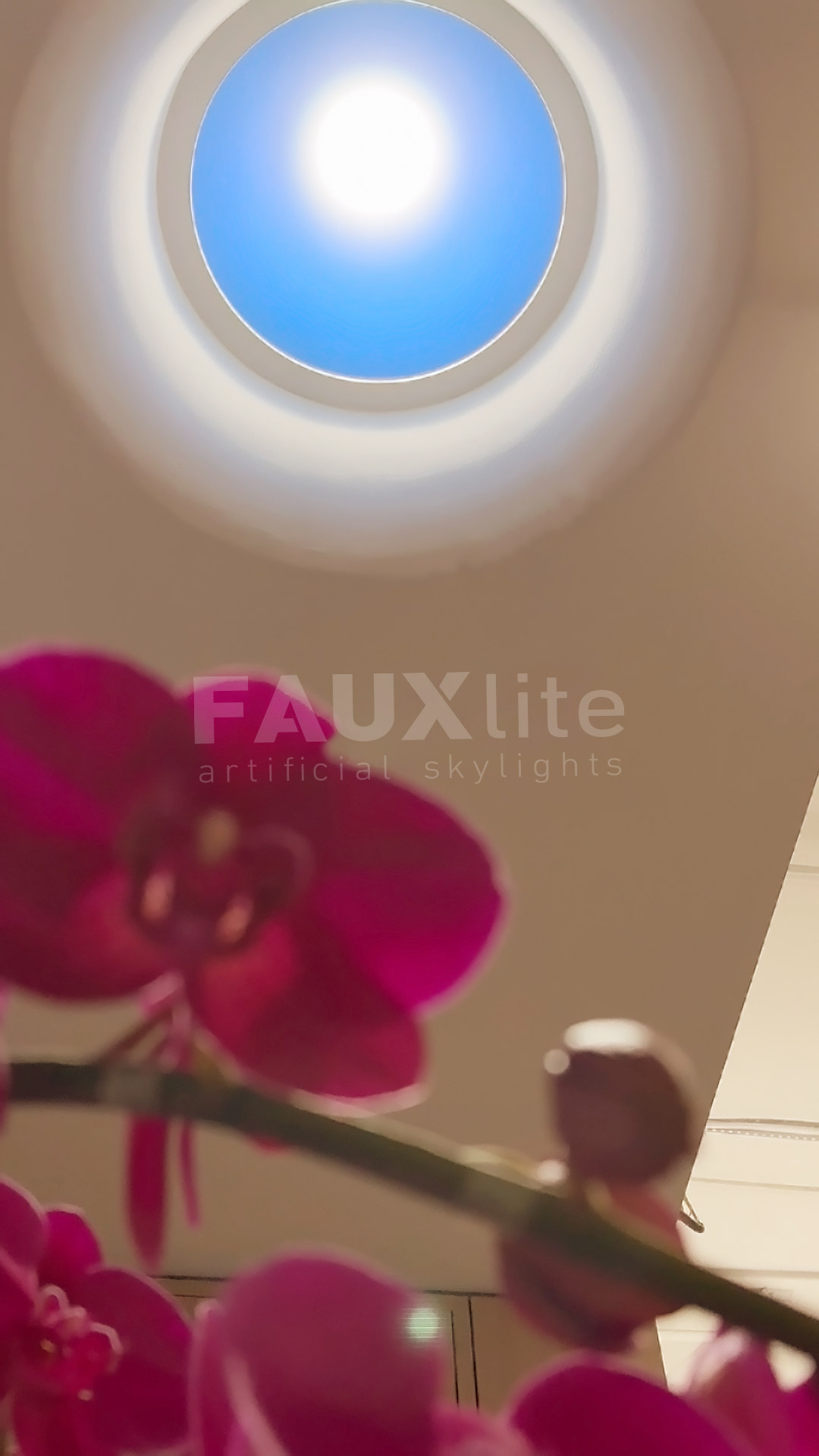
In urban settings where space is a premium, traditional skylights might not always be feasible. This challenge has led to the development of innovative solutions such as the skylight without roof. This technology allows for the installation of skylights in spaces where traditional roof access is limited or non-existent. By dispersing light effectively throughout the room, these skylights offer a practical solution to urban lighting challenges.
Skylight Apartment Solutions
Apartments, notorious for their limited access to natural light, can greatly benefit from specialized products like the skylight apartment solution. These solutions are designed to fit seamlessly within the structural constraints of apartment buildings, providing residents with the luxury of natural light without extensive renovations or structural changes.
Considerations for Skylight Installation
When contemplating the installation of skylights in urban settings, several factors should be considered to ensure optimal results:
- Orientation and Placement: The position of the skylight can significantly impact its efficiency. Ideal placement should be determined by the building’s orientation and the trajectory of the sun.
- Glazing Options: Different glazing materials can affect light transmission and energy efficiency. Options include tempered glass, polycarbonate, and acrylic, each offering varying degrees of insulation and durability.
- Ventilation: Some skylight designs incorporate ventilation features that allow for improved air circulation, reducing the risk of condensation and enhancing indoor air quality.
- Professional Installation: Ensuring a qualified professional handles the installation is crucial for both safety and performance. Proper installation can prevent issues such as leaks and structural damage.
The Future of Skylights in Urban Design
As urban areas continue to grow and evolve, the demand for innovative lighting solutions like skylights is likely to increase. These installations not only address the practical need for natural light but also contribute to the aesthetic and environmental goals of modern architecture. With advancements in technology, future skylight designs may offer even more versatility and efficiency, further solidifying their place in urban living spaces.
In conclusion, skylights represent a versatile and effective solution for enhancing natural light in urban homes. Whether through a skylight apartment solution or innovative designs like the skylight without roof, these features can transform living spaces into brighter, more inviting, and energy-efficient environments. As urban architecture continues to innovate, skylights will undoubtedly remain a staple in creating healthier, more sustainable living spaces.

 alt=’Generated Image’