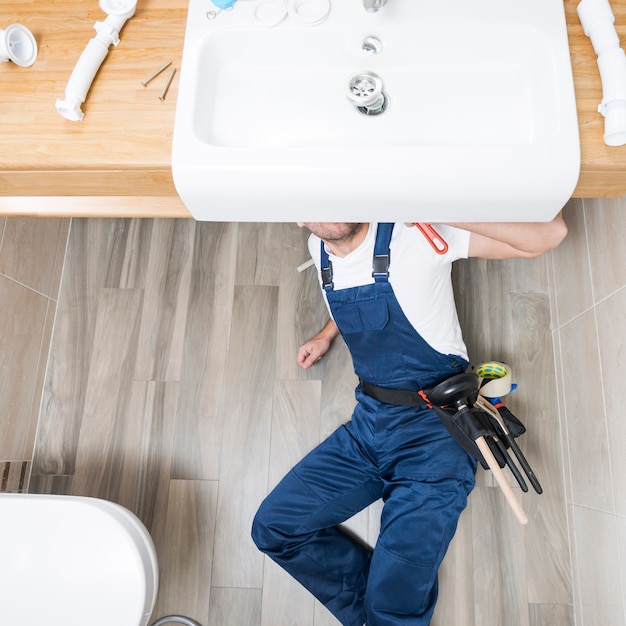
Water damage to ceilings is a common issue that can arise from various sources, including leaky roofs, burst pipes, or even HVAC system malfunctions. Addressing this damage promptly and effectively is crucial to prevent further deterioration and potential health hazards, such as mold growth. Proper restoration involves a series of essential steps that require a strategic approach and a keen understanding of the materials and techniques involved.
Initial Assessment and Inspection
The first step in ceiling water damage restoration is a thorough assessment and inspection of the affected area. This process involves:
- Identifying the source of the water intrusion to prevent future occurrences.
- Evaluating the extent of the damage to determine the necessary repairs.
- Checking for any signs of mold growth, which may require specialized remediation techniques.
For a comprehensive guide on conducting a proper assessment, discover expert strategies here.
Water Extraction and Drying
Once the assessment is complete, the next step is to remove any standing water and thoroughly dry the area. This involves:
- Using professional-grade water extraction equipment to remove excess moisture.
- Deploying industrial fans and dehumidifiers to accelerate the drying process.
- Monitoring humidity levels to ensure that the environment is thoroughly dried and prevent mold growth.
For more detailed methods on effective drying, learn about our tailored solutions.
Repair and Restoration
After ensuring the area is dry, the next phase involves repairing and restoring the ceiling to its original condition. This process typically includes:
- Replacing damaged drywall or ceiling tiles as necessary.
- Repairing any structural elements that have been compromised.
- Applying a new coat of paint to match the existing decor.
To understand more about the restoration process and materials, explore advanced guides and tips.
Preventive Measures
Implementing preventive measures is crucial to avoid future water damage incidents. Consider the following strategies:
- Regularly inspect roofing and plumbing systems to identify potential leaks.
- Ensure proper ventilation in areas prone to moisture accumulation.
- Install water alarms and automated shut-off systems to detect and mitigate leaks quickly.
Find out more about this approach by visiting this comprehensive guide.
Conclusion
Ceiling water damage restoration requires a methodical approach, from initial assessment to final repair and preventive measures. Each step is vital to ensure the integrity and safety of the affected area. By leveraging expert techniques and adhering to best practices, the restoration process can be both efficient and effective. For those seeking in-depth knowledge and specialized assistance, resources and professional services are readily available to guide through each phase of the restoration journey.