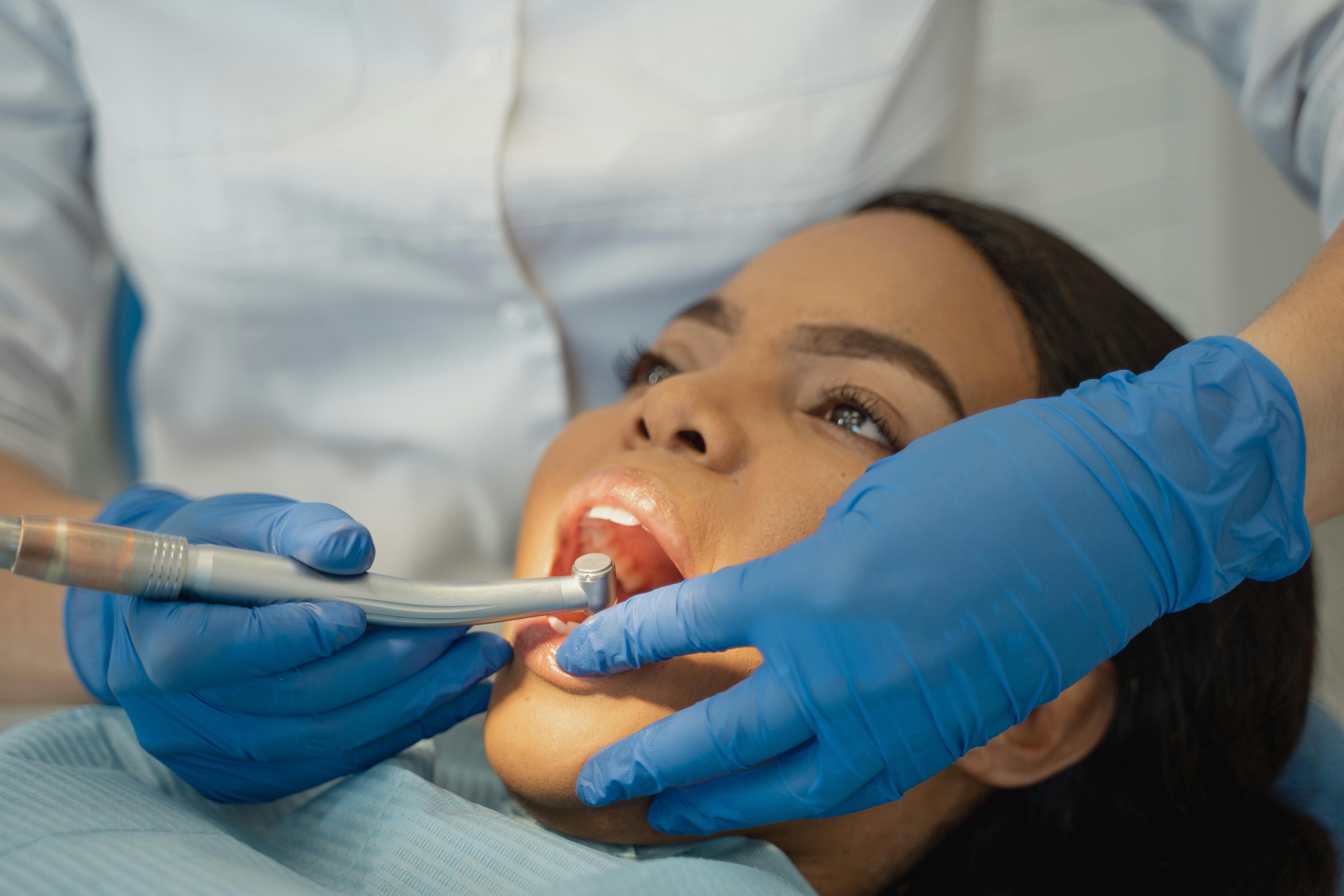
Root canal treatment is often shrouded in mystery and misinformation, leading to unnecessary fear and anxiety among patients. In Dearborn, as in many places, these misconceptions can deter individuals from seeking necessary dental care. Understanding the truth about root canals can alleviate concerns and encourage proactive dental health. This article aims to debunk common myths surrounding root canal procedures, providing clarity and peace of mind to those who are apprehensive about this common dental treatment.
Myth 1: Root Canals Are Extremely Painful
One of the most pervasive myths about root canal treatment is that it is a painful procedure. This belief likely stems from outdated practices or anecdotes from past generations. However, modern dentistry has significantly advanced, making root canal procedures relatively comfortable and pain-free.
- With local anesthesia, patients typically experience no more discomfort than they would during a regular filling.
- Advanced techniques and tools ensure minimal invasiveness and quick recovery.
- Post-procedure discomfort is generally mild and can be managed with over-the-counter pain medication.
For those in root canal Dearborn, accessing skilled dental professionals who use the latest technology can further alleviate concerns about pain.
Myth 2: Root Canals Cause Illness
Another common misconception is that root canals can lead to systemic illness, a myth that originated from outdated and debunked research. In reality, root canal treatments are designed to remove infection, not cause it.
- Root canals eliminate bacteria from the infected tooth, preventing the spread of infection.
- The procedure is performed under sterile conditions to maintain oral and overall health.
- There is no scientific evidence linking root canals to diseases elsewhere in the body.
Patients in Dearborn can rest assured that modern root canal therapy is both safe and effective in preserving oral health.
Myth 3: Extraction Is a Better Option
Some individuals believe that extracting a tooth is a better alternative to undergoing a root canal. However, this is often not the case, as preserving the natural tooth should be a priority when possible.
- Root canals save the natural tooth, which is vital for maintaining proper oral function and alignment.
- Tooth extraction often leads to additional dental procedures, such as implants or bridges, which can be more costly and complex.
- Maintaining the natural tooth helps preserve the jawbone and prevents other teeth from shifting.
In Dearborn, dental professionals emphasize the importance of preserving natural teeth through procedures like root canals whenever feasible.
Myth 4: Root Canals Need Multiple Visits
Many fear that root canals require multiple dental visits, making the process lengthy and inconvenient. However, advancements in dental technology have streamlined the procedure significantly.
- Most root canal treatments can be completed in one or two appointments.
- The duration of the procedure depends on the complexity of the case and the tooth involved.
- Follow-up visits may be necessary for a permanent restoration, like a crown, but these are typically uncomplicated.
Choosing to undergo a root canal in Dearborn ensures access to efficient and time-effective dental care.
Myth 5: Root Canals Are Unnecessary If There’s No Pain
A common misconception is that if a tooth isn’t causing pain, it doesn’t need treatment. However, the absence of pain does not necessarily mean the absence of infection or decay.
- Teeth can be infected without causing immediate pain, which can lead to more severe issues if left untreated.
- Routine dental check-ups can identify the need for a root canal before pain becomes a symptom.
- Early treatment prevents the need for more extensive and costly procedures in the future.
In Dearborn, regular dental visits can help detect potential problems early, allowing for timely intervention with root canal therapy if necessary.
In conclusion, understanding the realities of root canal treatment can alleviate unnecessary fears and encourage individuals to maintain optimal dental health. By debunking these myths, patients are empowered to make informed decisions about their dental care, ensuring their natural teeth are preserved and their oral health is maintained.